
What Is the Best Age for Kids to Start Coding, Robotics and AI?
Discover the best developmental stages to introduce STEM skills, from computational thinking in toddlers to advanced programming and AI literacy for teenagers.
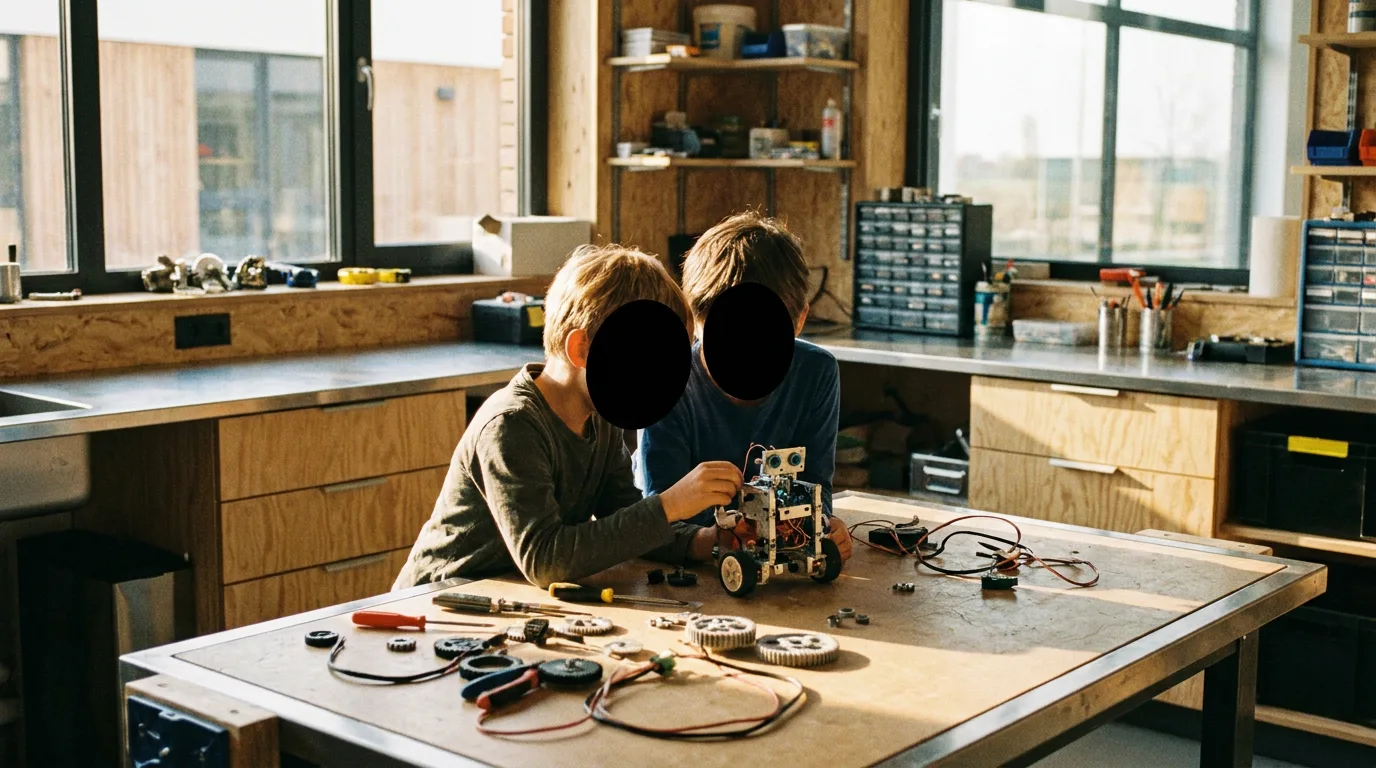
Technology is developing so quickly that many parents feel pressure to prepare their children as early as possible. With coding classes available for five-year-olds and robotics programmes advertising to primary-school children, it is natural to wonder if your child is already falling behind. However, there is no single perfect age to begin, and starting earlier does not automatically create a more capable child.
Coding, Robotics and AI Are Not the Same Thing
Parents often put all three into one category, but they involve different kinds of learning. Coding involves giving instructions to computers, beginning with visual blocks before moving to text-based languages. Robotics combines programming with mechanics and sensors to create physical results. Meanwhile, artificial intelligence is broader, focusing on how machines process information and why their answers should be verified.
Ages 4–6: Foundations Without Screens
At this age, parents should think less about programming syntax and more about the thinking skills underneath it. Children can develop child development support for STEM by focusing on patterns, sequences, and breaking problems into smaller steps. Technology education does not always require a computer; building blocks and puzzles are excellent foundations for computational thinking.
Ages 6–9: Playful Exploration
For many, early primary school is an excellent period to introduce structured activities. Visual coding platforms allow children to create animations, while robotics becomes interesting because it produces a visible physical result. If the robot doesn't move as expected, the child learns to change the instruction and test again—a basic engineering mindset.
Ages 8–12: Building Real Projects
As children become more capable readers, they can move from simple tasks to complex projects. This is a good stage for game design or introductory text-based coding. A child who wants to build their own game suddenly has a reason to understand commands, making the learning more meaningful.
When Should Children Start Python?
There is no magic age for text-based programming, though many find it meaningful around ten to twelve. Starting at thirteen or fourteen is not "late"; an interested teenager may learn in months what an uninterested younger child has spent years being forced to practise.
Navigating Artificial Intelligence
Today’s children will grow up surrounded by AI, making artificial intelligence literacy essential. Younger children can start by asking how voice assistants work, while older children should learn about training data and bias. The most important lesson is to use AI but verify its accuracy, ensuring they do not simply copy homework answers without critical thought.
Balancing Interests and Screen Time
Not all screen time is identical. Designing a game involves different cognitive activities than watching videos, but technology should remain just one part of childhood. Whether a child prefers digital creativity or physical engineering, the goal is technology literacy. The future will still need doctors, teachers, and artists; they will simply use technology as a tool in their respective fields.
Summary of Progression
Ages 4–6: Puzzles, patterns, and simple computational thinking.
Ages 6–9: Playful visual coding and beginner robotics.
Ages 8–12: Project-based learning and game creation.
Ages 10–14: Transition to text-based languages like Python and AI literacy.
Teenage years: Specialised STEM subjects according to interest.
The most valuable preparation is not teaching the greatest number of commands as early as possible. Instead, teach children to understand problems, build things, and remain curious about how the world works.