
What Is the Best Way for a Child to Learn a Second Language?
Discover the most effective ways for children to learn a second language, from group classes and private tutors to immersion through sports and activities.
Once parents decide that they want their child to learn another language, the next question is often more difficult: "What is the best way for my child to learn it?" Should you choose a language academy, a private tutor, an online course, or simply encourage your child to watch programmes and speak the language at home?
There is no single method that works best for every child. Age, personality, and the languages already spoken all play a role. Perhaps most importantly, how often your child actually hears and uses the new language matters. The best approach is usually not finding one perfect method, but creating the right combination of good teaching, regular exposure and real opportunities to communicate.
Language Classes: Learning With Other Children
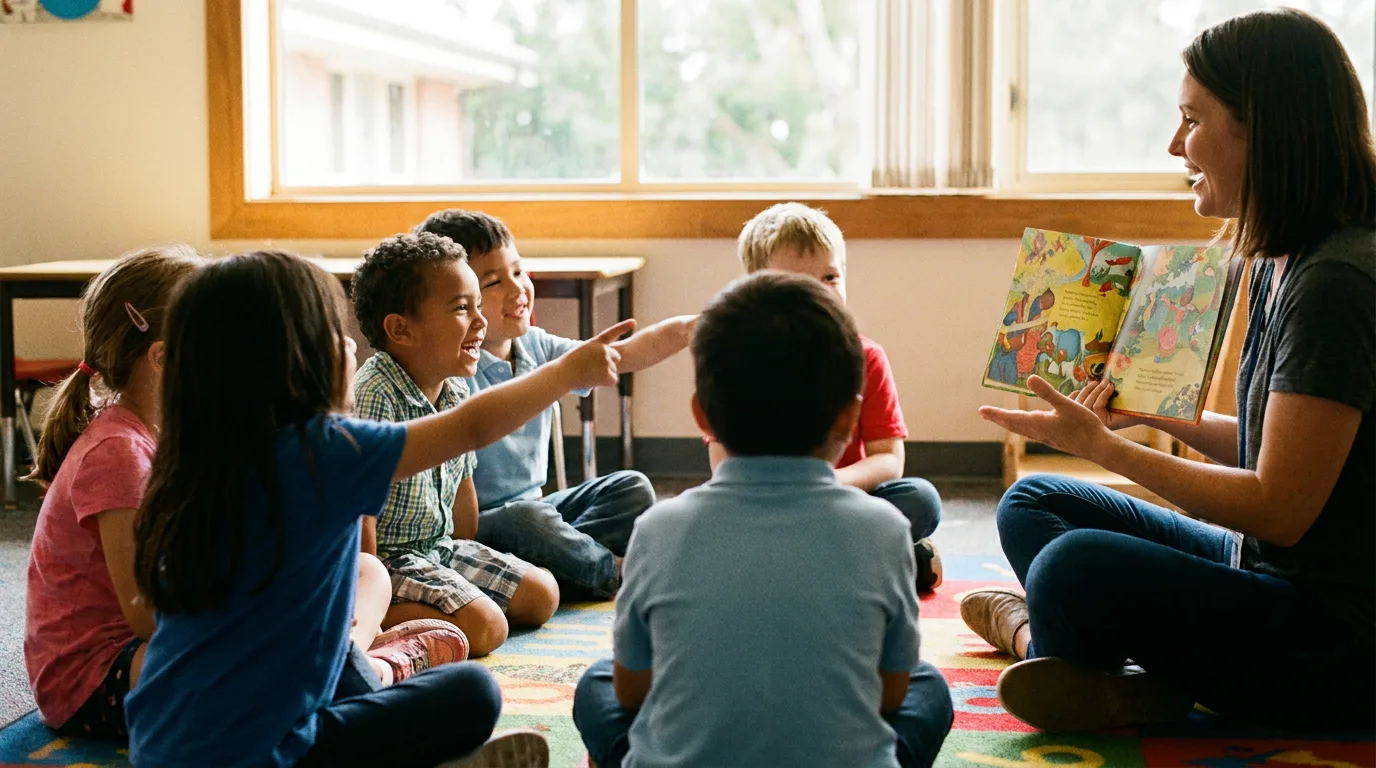
Group classes are one of the most common ways for children to learn another language. A well-designed class provides something books and apps cannot: other people to communicate with. Students listen, answer questions, play games, and gradually become comfortable speaking in front of others.
For younger children, effective lessons often use songs and movement. As they grow, reading and writing can become more structured. However, the quality of the class matters; a session where children spend most of the time on worksheets is far less useful than one involving active interaction.
Private Tutors: Personalised Attention
Private lessons allow teaching to be adapted specifically to one child. A tutor can adjust the pace, focusing on areas like pronunciation, schoolwork, or language exam preparation. This is especially useful for children who need to catch up or those who feel uncomfortable speaking in large groups.
Immersion: Learning Through Necessity
One of the most powerful ways to learn a language is to need it. When children use another language to play football or participate in an art class, the language stops being a school subject and becomes a tool. For international families in Spain, developing Spanish through everyday life is invaluable, but immersion requires genuine opportunities to use the language, not just living in the country.
Language Learning for Immigrant Families
For families who have moved to a new country, learning the local language affects how easily a child makes friends and joins the community. At the same time, many families wish to protect their home language, whether it is Arabic, French, German, or English. Maintaining the family language preserves cultural connections while the child develops new skills.
Learning at Home and Using Technology
Parents can create valuable exposure at home through music, audiobooks, and everyday conversation. Storytelling in another language is particularly effective for younger children. While apps can help with vocabulary, they are best used as a supplement. Children need to listen to unpredictable language and formulate their own responses with real people.
Learning Through Activities
For some, the most effective approach is to participate in an activity conducted in the target language, such as instrument lessons or dance. The child's attention is on the activity, associating words with actions and emotions in a natural context.
Match the Method to the Child
A sociable child may thrive in an energetic group, while a shy child might feel safer in beginner language classes with a tutor. The best approach is a combination of good instruction, regular exposure, and real interaction. Ultimately, children do not learn a language simply by studying it; they learn by making it part of their lives.