
Can Music Help Children Sleep Better?
Discover how listening to music and learning instruments affect a child's sleep, and how to build an effective bedtime routine that supports relaxation.
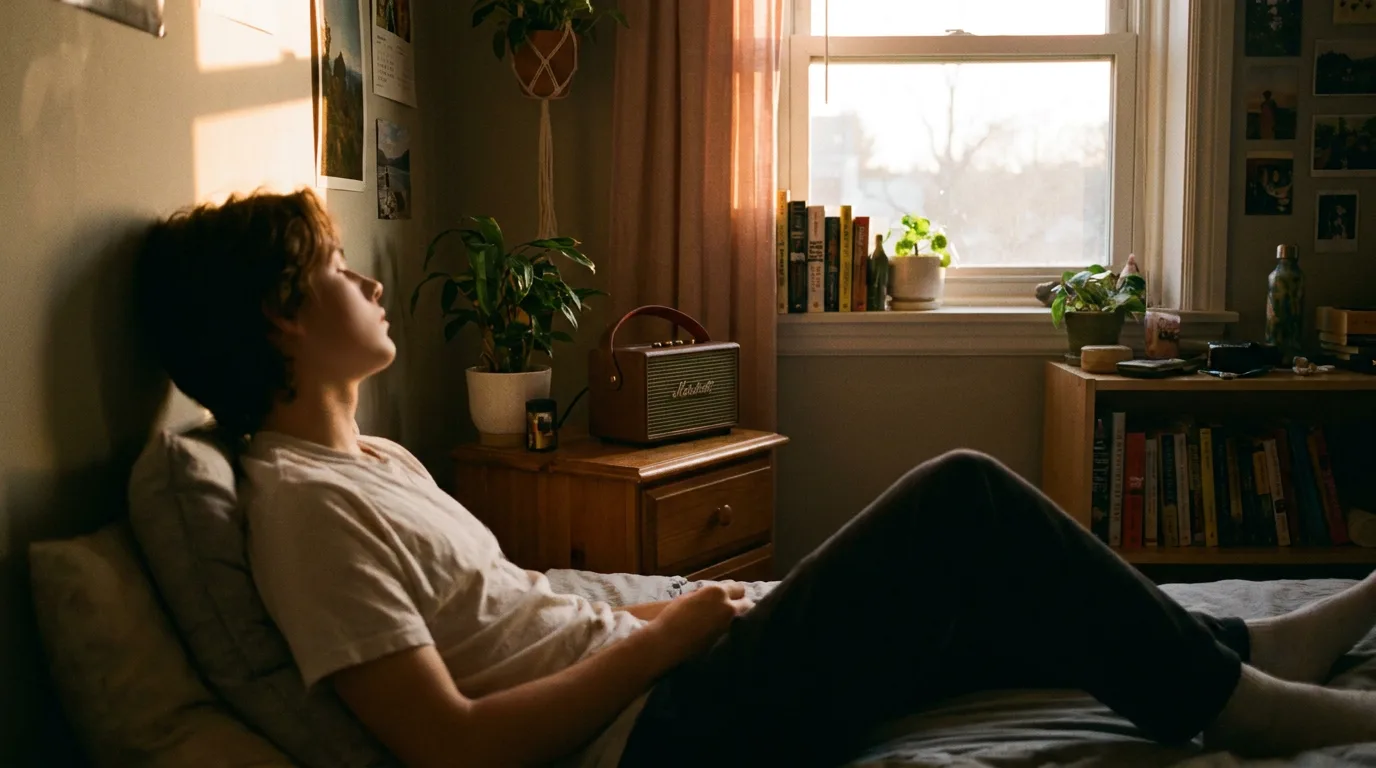
Your child has finished homework, the lights are lower, and instead of watching videos or playing a game, they listen to quiet music before going to bed. Could that simple habit actually help them sleep? Or perhaps your child plays piano, guitar, or violin. Could learning an instrument improve sleep by reducing stress and helping the brain relax?
Parents often hear that music is "good for the brain," but the relationship between music and sleep raises a different question: can music actually help children and teenagers sleep better? The answer is promising, but it requires an important distinction. Listening to calm music before bedtime may help some children relax, whereas taking instrument lessons provides cognitive benefits but may not directly cause better sleep.
Listening to Music vs. Playing Music
This distinction matters. When a child listens to relaxing music, the activity is relatively passive. They can lie down, close their eyes, and allow their attention to settle. Playing an instrument is different. A child practising may be reading notation, coordinating hands, and concentrating intensely. While this is an excellent learning activity, it is not necessarily a relaxing one. When asking if music helps sleep, we must specify the activity.
The Brain Likes Predictable Bedtime Signals
The brain begins associating a sequence—such as brushing teeth, lower lights, and ten minutes of quiet music—with sleep. This is why bedtime routines are so useful. Music can become one of several environmental signals indicating that the active part of the day is ending. For younger children, early years music activities often use this predictability to create a sense of security.
Choosing the Right Music
There is no universal playlist for every child. In general, music for relaxation should be:
Calm and predictable
Comfortable and not excessively loud
Not emotionally exciting
Something the child actually finds relaxing
Relaxation is personal. A child who dislikes classical music may find it irritating rather than calming, while another may prefer soft piano or gentle instrumental tracks. Volume matters too; bedtime music should not become another source of sensory stimulation.
Can Learning an Instrument Reduce Stress?
Music can provide a form of expression separate from school performance. A teenager may sit at the piano after a stressful day and feel calmer afterward. These experiences can support child development support and emotional wellbeing. Because stress can interfere with sleep, anything that helps a child regulate stress could indirectly support healthier rest.
However, music lessons can also create stress. If a child has a highly demanding schedule with late-night practice for an examination, music becomes another deadline rather than relaxation. Parents should evaluate how music fits into the whole evening, ensuring it doesn't lead to a late bedtime.
Practical Considerations for Parents
If you are considering using music to support your child's sleep, keep these practical points in mind:
Limit Duration: Use a timer so music doesn't play all night; a quiet sleep environment is generally preferable.
Avoid Headphones: Falling asleep with earbuds can be uncomfortable and may lead to prolonged sound exposure.
Prioritise Routine: Music is a complement to, not a substitute for, good sleep habits like reduced screen time and consistent bedtimes.
Monitor Practice: If late-night practice leads to frustration, it may be better to schedule it earlier in the day.
Persistent sleep problems deserve professional attention. If a child regularly struggles to sleep or shows significant changes in patterns, you may wish to seek advice regarding child psychology or medical assessment, as a playlist cannot treat underlying conditions.
Conclusion
Calm music can be a valuable part of a bedtime routine, helping to reduce stimulation and signal to the brain that it is time to rest. Whether through passive listening or the emotional release of playing an instrument, music works best when it is a source of comfort rather than pressure. Used appropriately, it is a gentle way to slow down after a busy day.