
Choosing Your Child's First Instrument: A Guide to Quality and Cost
Avoid common pitfalls when buying a musical instrument for your child. Learn how to balance quality and price, when to upgrade, and why the cheapest option isn't always the best for beginners.
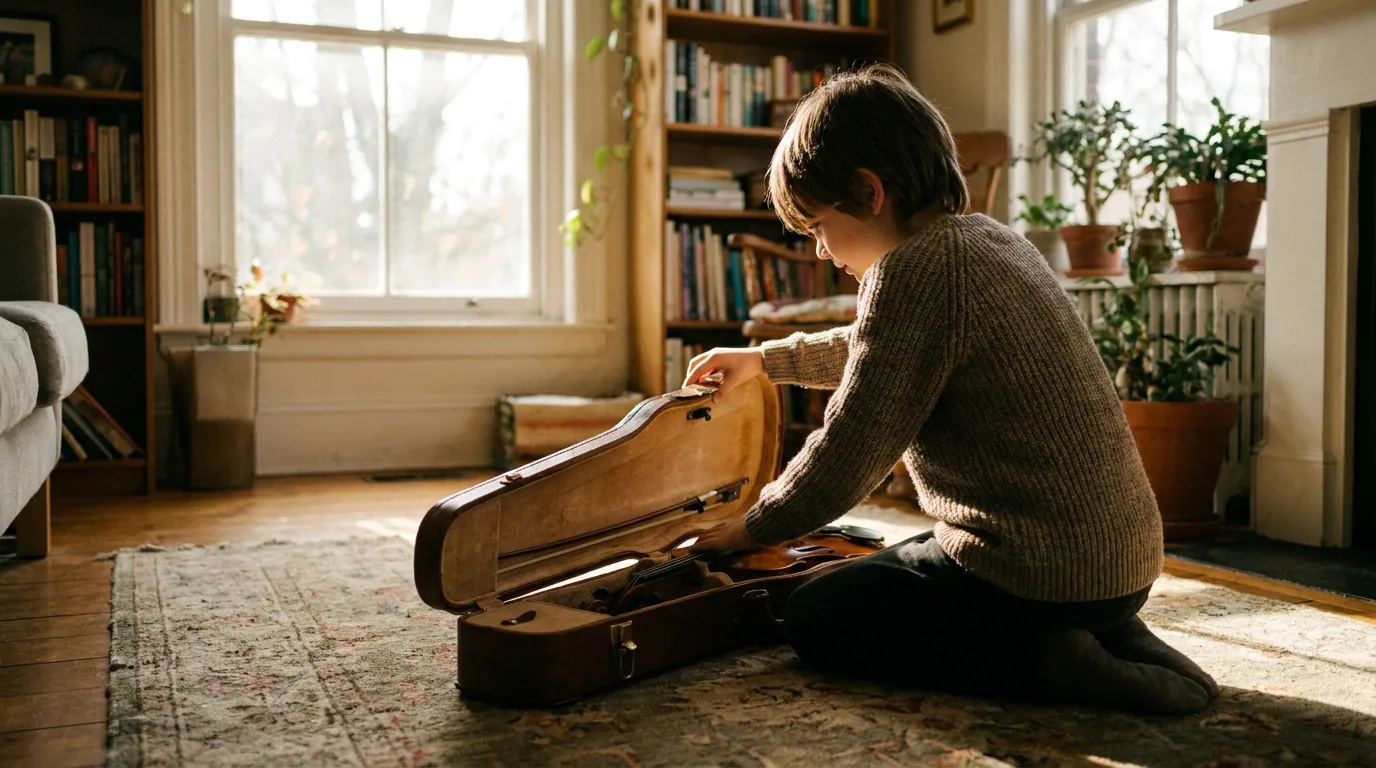
Your child has decided to learn an instrument. It is an excellent step, but it often leads to a common dilemma for parents. A violin can cost €80 or €8,000. Keyboards, guitars, and drums have equally confusing price ranges. The goal is not necessarily to buy the cheapest instrument or the most expensive you can afford, but to buy the right instrument for your child's current stage.
The Risk of Choosing the Cheapest Option
When a child is a complete beginner, buying the cheapest available instrument seems logical since you do not yet know if they will continue. However, extremely cheap instruments can create technical problems. A violin may be difficult to tune, or a guitar may have uncomfortable action, making the strings unnecessarily hard to press. If the instrument is the problem, the child may simply think they are bad at music, which can damage their motivation during those vital first months of instrument lessons.
Quality for Beginners
A student instrument should be designed for someone learning, but it should not be a toy. Good student models are built to be reliable and easier to maintain without the expensive materials required by professionals. You are paying for playability and reliability rather than prestige.
Consulting the Teacher
Speaking to a music teacher before buying anything is perhaps the most useful advice. Teachers know which features matter and can identify the correct size for the child. Whether it is ensuring a digital piano has weighted keys or finding the right body size for a guitar, a short conversation can prevent a costly mistake.
Specific Instrument Considerations
Pianos and Keyboards
For a young beginner, an acoustic piano is not always necessary, and a good digital piano is often an excellent starting point. However, parents should look for a full-size keyboard with weighted or hammer-action keys. Basic keyboards with little resistance may not be ideal for learning proper technique as the child progresses through early years music into more serious study.
Violins and Sizing
Violins create a unique challenge because children grow. A young child may need several fractional-size instruments before reaching full size. Because of this, renting can be particularly attractive, allowing the instrument to be exchanged as the child grows. Correct sizing is essential for posture and technique.
Guitars and Drums
For guitars, comfort is key. Nylon strings on classical guitars are often easier for beginners than steel strings. With drums, electronic kits are a practical, quieter alternative for apartments, provided the kit has a responsive playing surface. A child who physically struggles with their equipment is less likely to enjoy their practice.
Used Instruments and Rentals
A good used instrument is often a better purchase than a poor-quality new one. Instruments do not become obsolete quickly, but condition matters. If you buy second-hand, it is wise to have a technician or teacher inspect it for necessary repairs or tuning. For many, renting is the smartest initial step, especially if you want to test a child's commitment before a major financial investment.
When to Upgrade
Upgrade when the current instrument begins to limit the child's progress. This usually happens when their teacher notices that tone quality or technical capability can no longer develop on a beginner model. As a child moves from beginner to intermediate levels, spending more can be justified because the equipment is being used for more advanced music theory and musicianship development.
A Simple Buying Rule
Before purchasing, parents should consider these five points:
Is the instrument appropriate for the child's physical size?
Is the construction quality high enough to not interfere with learning?
Has the teacher approved the specific model?
Does the child's current commitment justify the price?
Would renting or buying a used instrument make more sense?
Spend enough to remove the instrument as an obstacle, but not so much that a beginner's experiment becomes a heavy financial burden. The right amount is whatever is appropriate for your child's current level and needs.