
Does My Child Need Speech Therapy? Signs, Milestones and When to Seek Help
Understanding your child's communication development is complex. Learn the key signs of speech and language delays, developmental milestones by age, and how to access professional support in Spain.
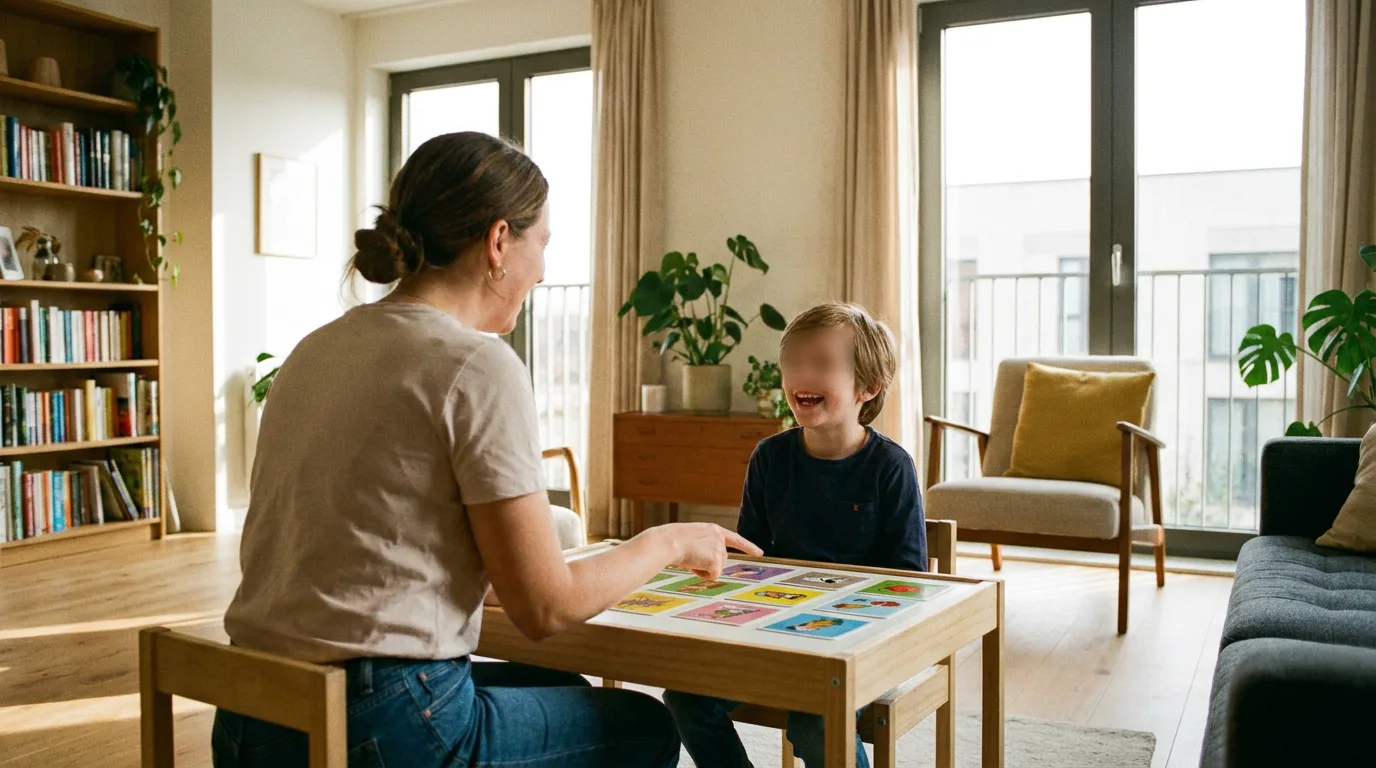
Children do not all begin speaking at exactly the same age. One two-year-old may already be using short sentences, while another communicates mainly through gestures and a small number of words. Some differences are part of normal development, but others may indicate that a child could benefit from a speech and language evaluation.
If you are concerned, you do not need to wait until the difficulty becomes serious. A professional evaluation can explain whether your child is developing within the expected range, needs monitoring or may benefit from child development support.
What Is Speech Therapy?
Speech therapy helps children develop the skills they need to communicate effectively. In Spain, a speech and language therapist is generally called a logopeda. Depending on their qualifications, they may support children who have difficulty with learning words, understanding spoken language, or communication skills in social situations.
Speech and Language Are Not the Same
Parents often use the term "speech delay" for every difficulty, but speech and language are distinct. Speech is the physical production of sounds, while language is the ability to understand and communicate meaning, including vocabulary and grammar.
Signs That Your Child May Need Speech Therapy
A professional evaluation may be helpful if your child uses significantly fewer words than expected, struggles to understand familiar instructions, or is frequently difficult to understand. For younger children, language through play can be an effective way to assess and encourage these skills.
Developmental Signs by Age
First year: Little interest in interaction or rarely reacting to sounds.
12 to 18 months: Using no meaningful words or failing to follow simple everyday instructions.
Age two: Not combining words or being very difficult for familiar adults to understand.
Age three: Using very limited sentences or becoming frustrated when others cannot understand them.
Ages four and five: Difficulty explaining daily events or struggling with reading and writing foundations.
Bilingualism and Speech Delay
Growing up with two or more languages does not cause a speech or language disorder. This is particularly relevant for international families in Spain whose children may be learning Spanish at school while using another language at home. If a genuine difficulty exists, it will usually affect communication across all the languages the child uses.
Finding Speech Therapy in Spain
Families using Spain's public healthcare system should start by speaking with their paediatrician at their centro de salud. In certain regions like Andalucía, younger children may be referred to speech and language support through the public Atención Infantil Temprana system.
How Can Parents Help at Home?
The best opportunities for development often occur during ordinary activities like eating or playing. You can support your child by following their interest, using clear language, and pausing to allow them time to process a response. Avoid constant correction; instead, provide the correct model of the word naturally in your own speech.
Final Thoughts
The most important question is whether your child is making progress and can participate in everyday life. A speech therapy evaluation can provide reassurance and identify the best ways to help your child communicate more confidently.