
Early Signs of Autism in Children: A Guide for Parents
Learn to recognise potential early signs of autism, understand the assessment process in Spain, and discover how to support your child's communication and development.
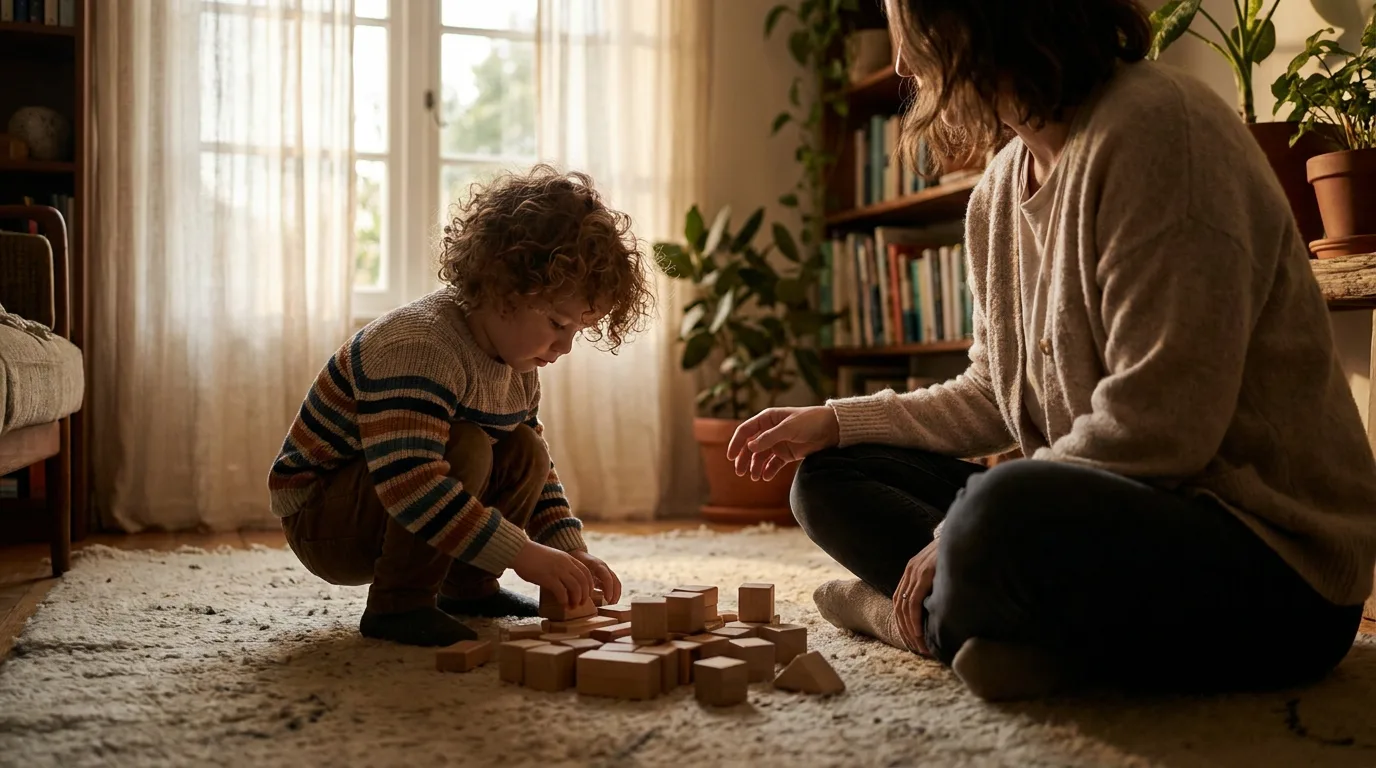
Every child develops in their own way. Some begin talking early but find social situations difficult, while others communicate mainly through gestures, become deeply absorbed in particular interests or feel overwhelmed by sounds that do not seem to bother others. Noticing these differences may lead parents to ask a difficult question: could my child be autistic?
No single behaviour provides a definitive answer. Professionals look for a broader pattern involving communication, social interaction, behaviour, interests and sensory experiences. Understanding possible early signs can help parents decide when to seek child development support from qualified experts.
What Is Autism?
Autism, also known as autism spectrum disorder or ASD, is a neurodevelopmental condition. It affects how a person communicates, interacts with others, processes information and experiences the world. It is described as a spectrum because it looks very different from one child to another. One child may need considerable daily support, while another may speak fluently and perform well academically.
Common Early Signs to Observe
Possible signs often appear during the first few years of life, though some differences only become clear when children start nursery or school. These signs should always be considered together rather than individually.
Social Interaction and Communication
A child may respond inconsistently to their name, use fewer gestures like pointing, or find it difficult to join other children’s games. In terms of communication, signs might include not using words at the expected age, repeating phrases, or taking jokes literally. Delayed speech by itself does not mean autism; a child might require speech and language support for various reasons, including hearing difficulties.
Repetitive Behaviours and Sensory Differences
Some children may repeat particular movements, follow rigid routines, or develop an unusually intense interest in a specific subject. Sensory differences are also common; a child might cover their ears in noisy places or seek movement by jumping and rocking. These behaviours often help an autistic child regulate emotions or feel safe.
Navigating Assessment in Spain
In Spain, the child’s paediatrician at the local centro de salud is usually the first point of contact. They can refer the family for a specialist assessment involving neuropaediatrics or child psychology professionals. In Andalucía, the public early-intervention system, known as Atención Infantil Temprana, supports children from birth to six years old through local centres called CAITs.
Multilingual Families
Growing up with more than one language, such as Spanish and English, does not cause autism. During an assessment, it is important to explain which languages the child hears and how they communicate in each. Multilingual families should ideally work with professionals who understand bilingual development.
Supporting Your Child
You do not need to wait for a formal diagnosis to begin helping your child. Early support might include speech therapy, sensory adjustments, or visual routines. At home, parents can support development by using simple language, allowing extra time for responses, and focusing on connection rather than demanding eye contact.
Kiddonido aims to help families discover relevant local services, including providers experienced in teaching social skills or offering inclusive activities. While Kiddonido does not provide diagnoses, it serves as a practical tool for finding options that match a child’s specific communication style and support needs.