
Can Evening Sports Affect Your Child’s Sleep?
Exploring whether late training sessions for football, tennis, or swimming disrupt rest and how parents can calculate the ideal cut-off time for evening activities.
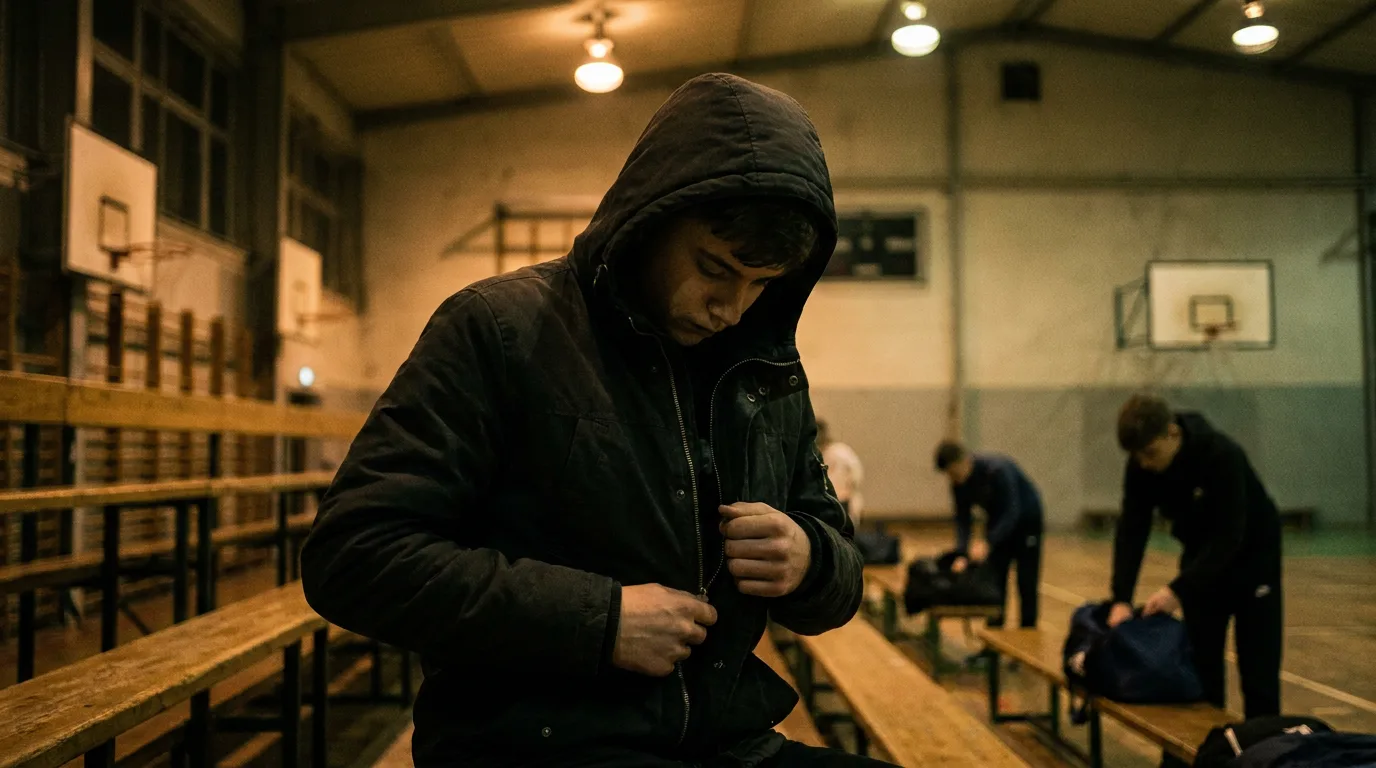
Your child's football training finishes at 9:00 p.m. By the time you drive home, eat dinner, and shower, it is suddenly 10:30 p.m. before they get into bed. While the training itself may be excellent, parents are left wondering if evening sport is affecting their child's sleep and, more practically, how late is too late?
There is no universal rule saying children should never exercise after a particular hour. Evening physical activity is not automatically harmful. The real question is not simply what time training starts, but what time your child can realistically fall asleep afterward and whether they are getting enough sleep overall to support their child development support needs.
How Much Sleep Does Your Child Need?
Before deciding whether 8:00 p.m. football is too late, work backwards. Children aged 6–12 generally need around 9–12 hours of sleep per 24 hours, while teenagers aged 13–18 generally need around 8–10 hours.
If an eleven-year-old needs to wake at 7:00 a.m. and requires ten hours of sleep, they must be asleep by 9:00 p.m. That means being asleep, not just leaving the club. This perspective changes how you evaluate any evening weekend activity or weekday commitment.
The Door-to-Door Schedule
Parents often look at a timetable and see tennis scheduled from 7:00–8:00 p.m. and think it looks fine. However, the real schedule includes travel, showering, dinner, and school preparation. A one-hour class can easily occupy four hours of the evening. Extracurricular activities should always be evaluated door to door.
Physiological Arousal vs. Sleep Pressure
Regular physical activity generally supports healthier sleep, but intense exercise temporarily increases heart rate and stress hormones. A teenager finishing a close match may be physically exhausted but mentally wide awake. This is particularly true for competitive sports like basketball where emotional stimulation is high.
How Late Is Too Late?
There is no scientifically established universal cut-off. Instead, ensure your child has enough time for:
Travel and cooling down
Showering and eating
Preparing for the next day
Relaxing and actually falling asleep
Younger children have less room for late training because they require more sleep. While a teenager might manage a 9:00 p.m. finish, an eight-year-old heading to swimming at that hour may struggle the next morning.
The Impact of Nutrition and Routine
Late training often pushes dinner close to bedtime. For young athletes, nutrition should not be sacrificed for sleep; rather, the schedule must accommodate both. Shifting larger meals earlier and using light recovery snacks can help.
Screens and homework support needs can also turn a manageable evening into a late night. If a late activity pushes schoolwork into the late hours, the schedule may be structurally unrealistic. Sleep should not become the flexible part of the child's routine.
Identifying Signs of Sleep Debt
Watch for patterns the morning after training. If your child is irritable, struggles to wake, or shows a decline in emotional wellbeing, the training might be too late. Compare training nights with non-training nights to see if the activity specifically pushes sleep later.
For serious athletes, remember that sleep is part of sports performance. Recovery, skill development, and reaction times all rely on rest. A well-designed programme should protect recovery, not compete with it. The best schedule isn't the one with the most activities; it's the one that leaves enough time to benefit from them.