
Finding the Right Balance: How Many Extracurricular Activities are Too Many?
Discover how to balance school, sports, and hobbies without overwhelming your child. Learn why unstructured free time is just as vital as structured learning.
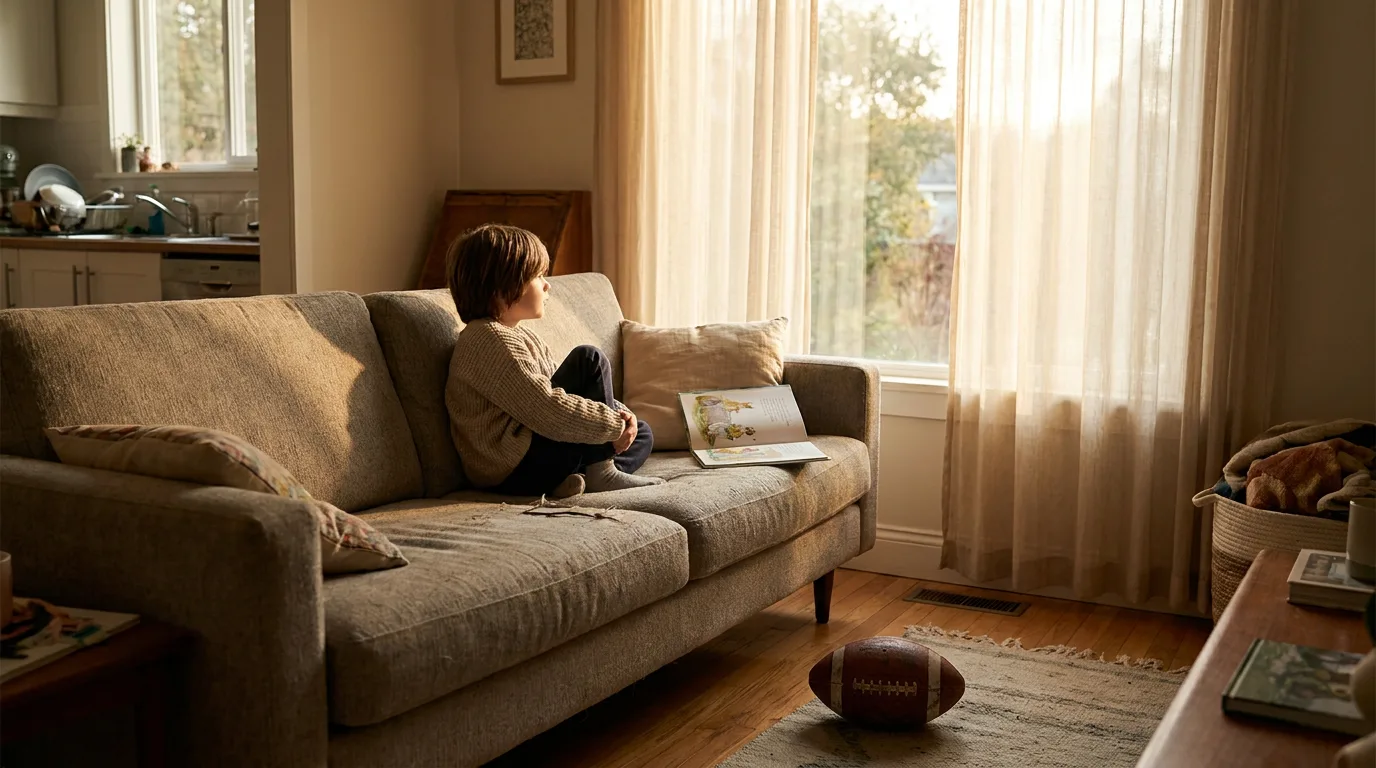
Football on Monday. Piano on Tuesday. Swimming on Wednesday. English on Thursday. Tennis at the weekend. Somewhere between all of that: school, homework, family, friends, dinner and sleep. For many parents, extracurricular activities create a strange dilemma. We want our children to experience different things, exercise, develop talents, and discover what they enjoy. But at some point, an important question appears: how many extracurricular activities are too many?
There is no perfect number that applies to every child. The better question is whether your child’s activities are adding to their development or beginning to take something important away from it.
Extracurricular Activities Are Not Just Extra
It is easy to divide childhood into education and everything else. However, development does not divide so neatly. A child taking instrument lessons is developing concentration, persistence and coordination. Similarly, acting and drama may help a child become more confident speaking in front of others.
These activities do not replace academic education, but neither are they simply entertainment added after the important part of the day is finished. They are another essential part of growing up.
How Many Activities Should a Child Do?
Instead of counting activities, look at the total load they create. Three relaxed activities close to home might place less pressure on a child than one highly competitive sport involving four training sessions, weekend competitions and long journeys. Consider the total hours, travel time, and whether weekends are becoming as scheduled as weekdays.
Free Time Is Not Wasted Time
An empty space in a child’s schedule does not necessarily need to be filled. Children need unstructured time to play, read, talk, and even become bored. Constantly organised activity can unintentionally remove opportunities for independence. A full calendar is not automatically a richer childhood.
Schoolwork and the Child Behind the Grades
Academic responsibilities matter, but removing every activity whenever school becomes demanding assumes that grades are the only important part of development. For one child, painting may provide an important form of expression. A child struggling with mathematics may still experience the satisfaction of mastering a difficult piece of music or improving a tennis serve.
The objective should be to create a life in which education, physical activity, interests, relationships and rest can coexist.
Exploration and Age
Especially when children are young, exploration is valuable. Trying different things gives children information about themselves. However, experimentation does not mean doing everything simultaneously; it is often better to try activities sequentially.
Age makes a difference too. A preschooler needs substantial room for language through play and rest. As children grow older, they may deliberately choose to invest more time in something they care about, such as singing and vocal training, and should gradually have more influence over their own schedule.
Watch the Child, Not Just the Calendar
The clearest indication of whether the balance is working comes from the child. Pay attention if a child who previously enjoyed a weekend activity becomes persistently exhausted, irritable or reluctant to attend. Watch for signs like homework becoming a constant late-night struggle or the disappearance of relaxed family time.
Commitment vs Overscheduling
Children should not necessarily quit whenever an activity becomes difficult. Learning almost anything involves periods of frustration. The challenge for parents is distinguishing between a temporary challenge and an activity that consistently makes the child unhappy.
A Simple Test for Balance
Look at these five areas to evaluate your child's schedule:
School: Are they generally able to manage their academic responsibilities?
Sleep: Are they getting sufficient and regular rest?
Free time: Do they still have genuinely unstructured time?
Relationships: Is there time for family and friends?
Enjoyment: Do they still want to participate in most of their activities?
The goal is not to create the busiest or even the most accomplished child. It is to give your child enough opportunities to discover who they are while leaving them enough time to actually be a child.