
Is Dance Good for My Child? A Guide to Choosing the Right Class
Discover how dance combines physical exercise with artistic expression and why it might be the perfect activity for your child's confidence and coordination.
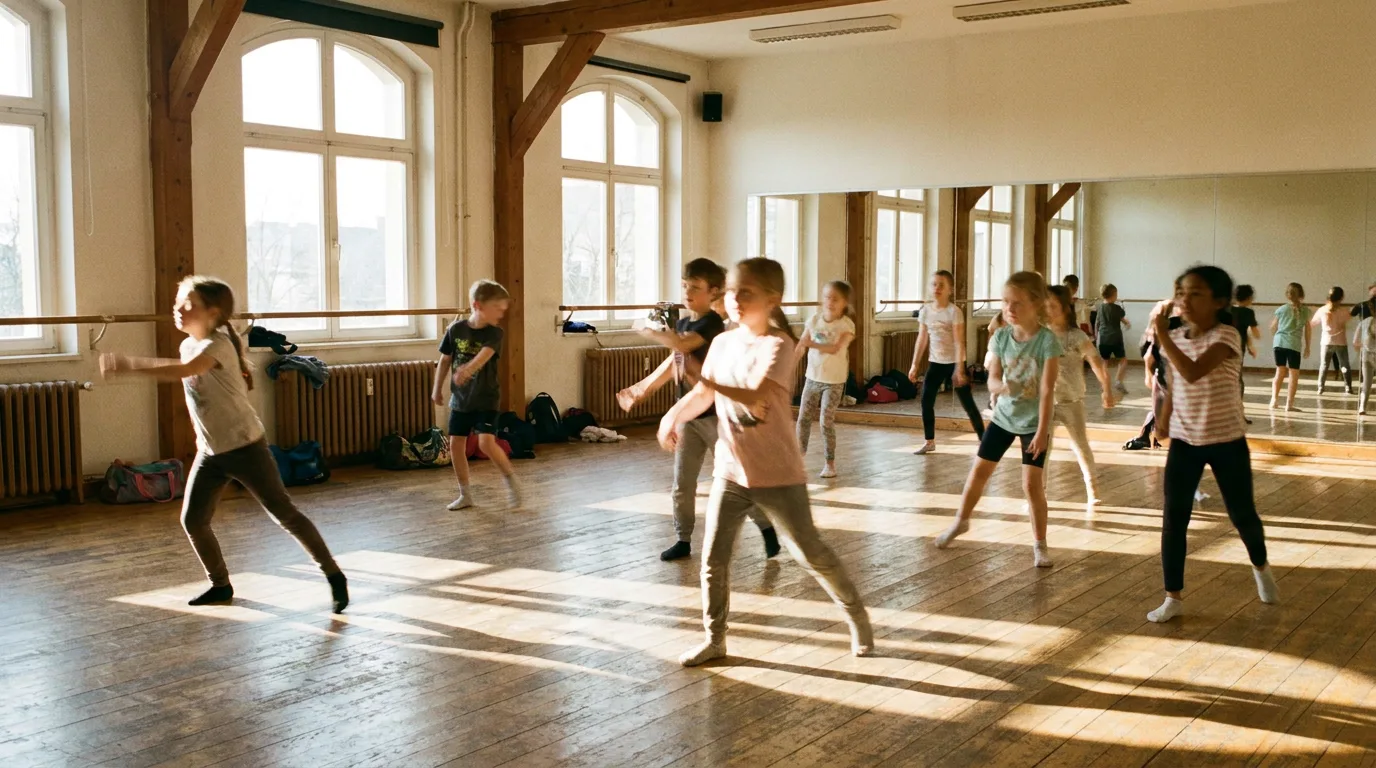
Dance is one of the few activities that combines physical exercise, artistic expression and creativity in every lesson. Children develop movement skills while learning to interpret music, express emotions and communicate through their bodies. For many families, it becomes much more than an extracurricular activity—it becomes a lifelong source of confidence, enjoyment and healthy movement.
What Research Says
Research based on Self-Determination Theory shows that children are much more likely to continue an activity when they enjoy it, feel they are improving and build positive relationships with teachers and classmates. Studies on child development support and motor development also show that activities combining rhythm and balance help improve body awareness and physical literacy.
Dance Develops More Than Rhythm
Every dance lesson challenges children to listen, observe, remember movement sequences and coordinate their bodies with music. This strengthens balance, flexibility, posture and coordination while also improving concentration and memory. Dance also offers something unique: it gives children a creative way to express emotions and ideas without words.
Performing in front of others can gradually build confidence, while regular practice develops patience, perseverance and self-discipline. Some classes focus on individual performance, while others include group choreography where children learn cooperation and timing.
There Is No Best Dance Style
Parents often ask whether ballet for kids or hip hop for kids is the best choice. There isn't a single answer. Some children enjoy the structure of classical styles, while others are drawn to the energy of modern beats or the creativity of contemporary dance. Choosing the right style is usually less important than finding one that matches your child’s personality and interests.
Spain's Rich Dance Culture
Dance has been part of Spanish culture for centuries. From local festivals to professional theatres, music and movement remain an important part of cultural life across the country. Across Spain, children can learn a vast array of styles, including jazz dance and acrobatics.
Families can choose between independent dance schools, academies and other programs offering individual instruction or group performances. This variety allows children to find an environment that suits their interests rather than adapting to a single teaching style.
Inclusivity in the Studio
Today, dance schools welcome both girls and boys across almost every style. Good dance education develops coordination, musicality, confidence and body control—skills that benefit children regardless of gender. Training can also complement other sports by developing balance, agility and movement efficiency.
Signs Your Child May Enjoy Dance
Enjoys music and movement.
Learns by observing and copying.
Likes expressing ideas creatively.
Enjoys working with other children.
Looks forward to every lesson without encouragement.
The Kiddonido Dance Fit Check
Before enrolling, ask yourself these key questions:
Did my child enjoy the trial class?
Does the teacher encourage every child equally?
Is the atmosphere welcoming and supportive?
Does the class balance technique with enjoyment?
Is my child excited about coming back?
Final Thoughts
No dance style is perfect for every child. The right class is the one where your child enjoys learning, feels confident and wants to keep dancing. If you are looking for children’s activities in Spain, Kiddonido helps families compare dance schools, styles and age groups to find the perfect match.