
Maths, Coding, Languages or Creativity: What Should Parents Prioritise?
Discover how to build a balanced extracurricular portfolio for your child by focusing on developmental foundations, marginal value, and genuine interests without overscheduling.
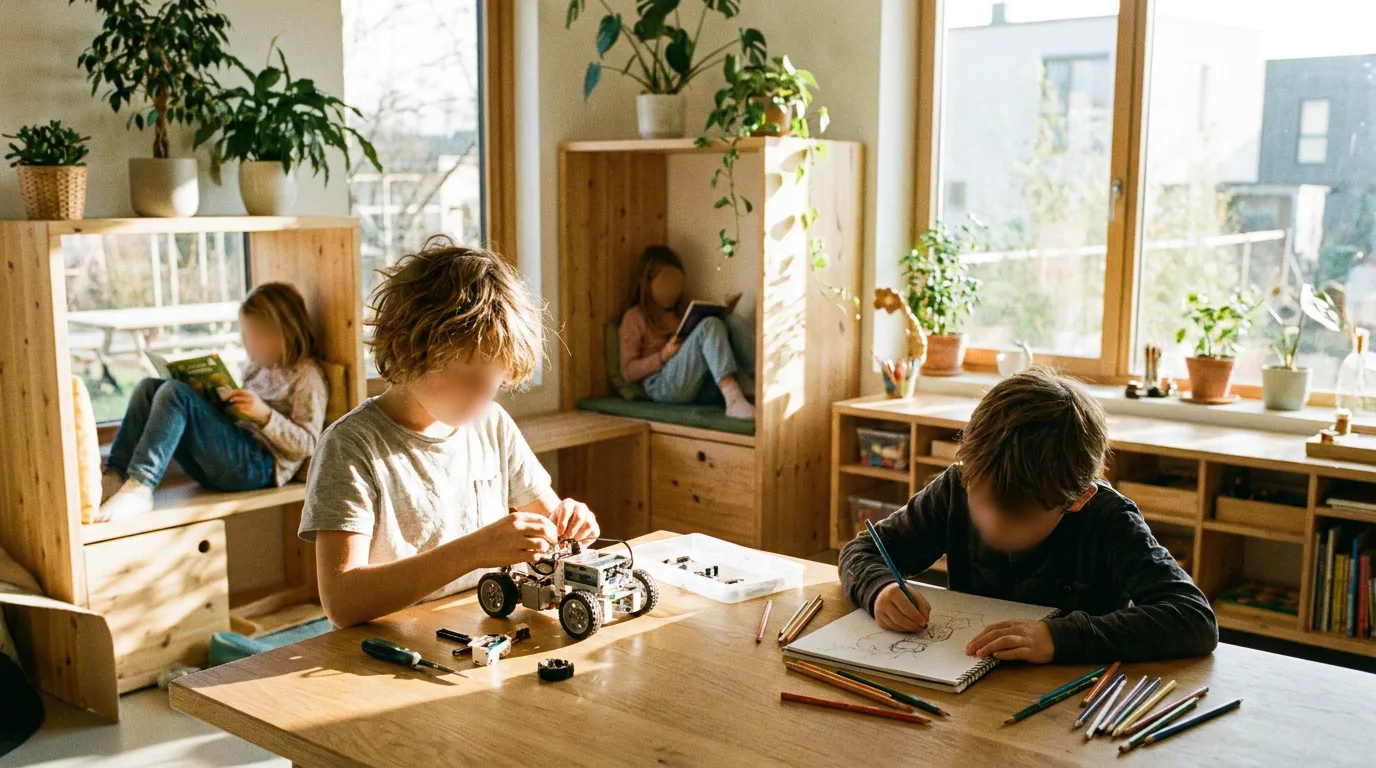
Every afternoon, parents face a modern dilemma: how to choose between the endless options for extracurricular activities. With choices ranging from robotics and coding to piano and sports, it often feels as though selecting the wrong path might leave a child behind. However, the goal is not to find a single perfect activity, but to understand what your particular child needs next.
Protect the Foundations First
Before adding extras, ensure the essential foundations are secure. A child's schedule must first accommodate sleep, physical activity, and family time. If a child is struggling with fundamental literacy, focusing on reading and writing may be a higher priority than starting a new enrichment class. Fix important deficits before optimising for extras.
Academic and Technical Priorities
Mathematics remains a high priority because it keeps future pathways open for science, engineering, and data science. However, more maths is not always better maths; additional tutoring is most useful when there are specific gaps to fill or if a child desires a greater challenge.
Technological literacy is equally vital. While programming helps develop logical thinking, it should not necessarily replace mathematical foundations. For hands-on learners, robotics can be an excellent alternative, combining engineering and mechanics with digital skills.
The Enduring Value of Languages and Arts
In an era of AI translation, some wonder if foreign languages are still relevant. Yet, language provides direct access to culture and relationships. For those in international environments, developing strong English remains a high-value investment for future academic and professional independence.
Similarly, the arts develop human capabilities that technology cannot replace. Engaging in an art workshop fosters observation and visual thinking, while instrument lessons build patience and delayed gratification through slow, repeated practice.
Building a Balanced Portfolio
Think of activities in terms of a portfolio rather than a ranking. A balanced mix might include:
Academic Foundations: Literacy and numeracy.
Technology: Coding, robotics, or digital creativity.
Creativity: Music, art, or theatre.
Physical Development: Team sports or individual athletics.
Communication: Languages and social group activities.
Balance does not mean equal time for everything; it means ensuring specialisation does not create damaging gaps. A gifted programmer still needs physical activity, just as a serious athlete still needs their education.
A Practical Framework for Decisions
When considering a new commitment, ask what the activity adds to the child's current life and what it will replace. Remember that free time is not wasted time; unstructured afternoons allow for imagination and initiative. If your child shows interest through voluntary practice—drawing or building outside of class—it is a strong signal for deeper investment. Use resources like Kiddonido to explore different types of experiences, ensuring the choice is based on what the child needs next rather than just what is most familiar.