
Why Music Lessons Are Beneficial for Children in Spain
Discover how music education builds patience, concentration, and self-discipline in children, and find the right approach for your family in Spain.
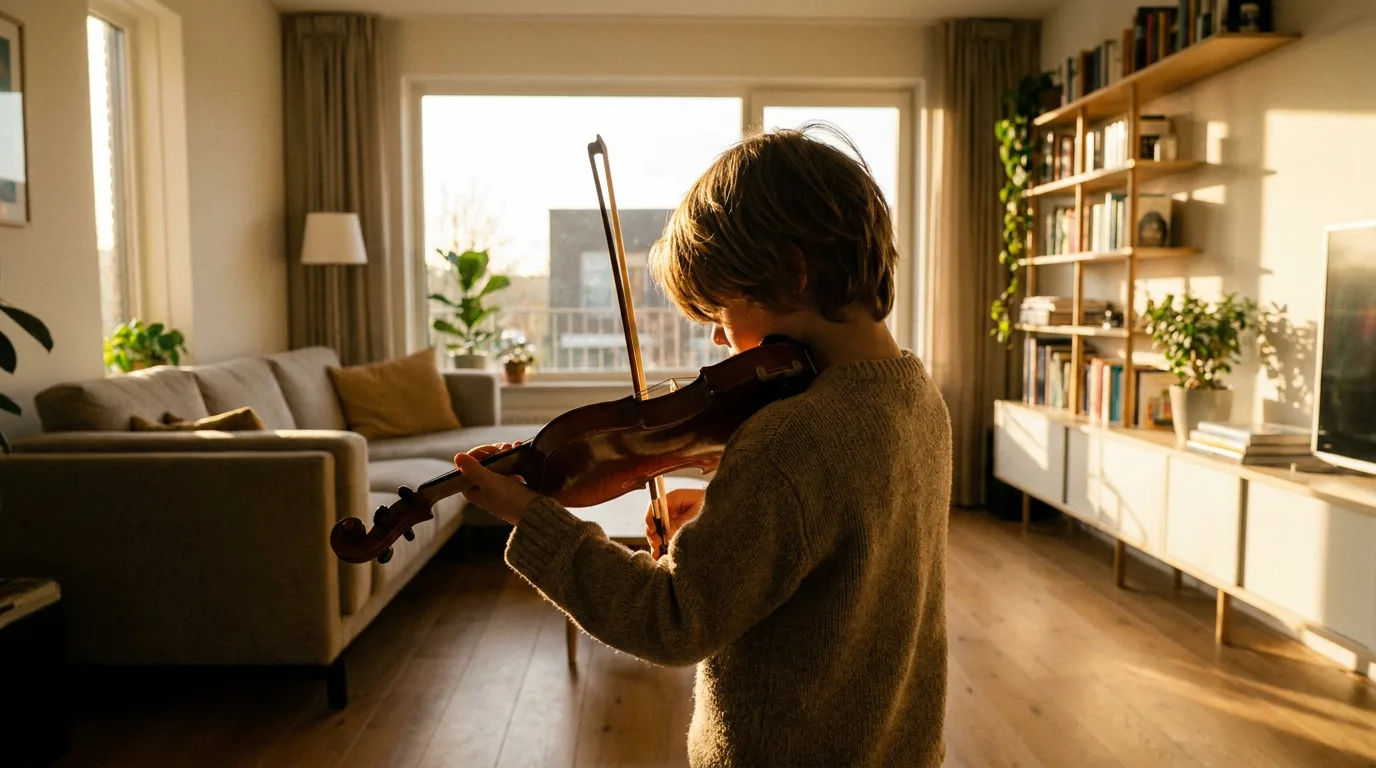
Many parents wonder whether music lessons are worth the time and commitment. The answer is usually yes—but not because every child will become a professional musician. For families looking for music lessons for kids in Spain, music offers something that few activities do: children learn to improve through regular practice.
Along the way, they develop listening skills, patience, concentration and self-discipline—abilities that remain valuable whether they continue playing an instrument for two years or twenty. Finding the right instrument lessons for kids can be the first step in this rewarding journey.
What Research Suggests About Music for Kids
Research consistently links music education with better auditory processing, fine motor coordination and sustained attention. While music lessons do not automatically increase intelligence or guarantee higher academic achievement, they can strengthen learning habits that children use every day at school. Like any activity, the benefits depend more on regular participation and practice than on the number of lessons.
Will Music Affect My Child's School Performance?
This is one of the most common concerns among parents. For most children, music lessons do not need to interfere with academic performance. Instead, practicing an instrument can teach children to manage their time, stay focused on one task and work steadily toward long-term goals. Difficulties usually appear when children have too many activities and not enough time to study, rest or simply be children.
What Is the Best Age to Start Music Lessons?
There is no universal starting age. Many children begin early years music activities between the ages of four and seven, while others discover music much later and progress just as well. Rather than focusing only on age, look for signs that your child enjoys music, can follow simple instructions and is willing to practice regularly.
Group Lessons or Private Lessons?
Both approaches can be excellent. Group settings such as music workshops and experiences help young beginners develop confidence, listening skills and the enjoyment of making music with others. They can be a relaxed introduction to music education.
Private lessons offer individual feedback and allow teachers to adjust the pace to each child's needs. Some families begin with group classes and move to private lessons as their child becomes more committed, while others start with individual instruction from the beginning.
Home Lessons or a Music School?
Learning at home is convenient and reduces travel time. A music school, however, offers experiences that are difficult to recreate at home. Children can meet other young musicians, perform in concerts, hear different instruments and become part of a learning community. For many children, that environment becomes an important source of motivation.
Music Lessons for Kids in Spain
Families living in Spain have access to a wide range of music education options. From private academies and conservatories to local music schools and independent teachers, children can learn piano, guitar, violin, drums, singing and many other instruments. Many centres also offer trial lessons or introductory sessions, allowing families to explore different teachers, instruments and programmes before making a long-term commitment.
How Many Lessons Per Week?
For most beginners, one lesson each week is enough. Children usually make better progress with one well-taught lesson followed by regular home practice than with several weekly lessons and very little practice between them. As motivation grows, many children naturally decide to spend more time on music, perhaps exploring music theory and musicianship to deepen their understanding.
How Much Should Children Practice?
Consistency is more important than duration. While these times are general guidelines rather than strict rules, a short, focused daily routine is usually more effective than one long practice session at the weekend:
Ages 4–6: 10–15 minutes
Ages 7–9: 15–25 minutes
Ages 10–13: 20–40 minutes
Teenagers: 30–60 minutes, depending on their goals
Does My Child Need Natural Talent?
No. During the early years, curiosity, enjoyment and regular practice matter much more than natural ability. Children who enjoy learning are more likely to continue improving, while talented children who rarely practice may eventually lose interest.
Final Thoughts
Music is not simply about learning an instrument. It teaches children how to listen carefully, practice consistently and enjoy gradual improvement—skills that remain useful far beyond music itself. If you're looking for music lessons for kids in Spain, Kiddonido helps families compare music schools, teachers, instruments, age groups and teaching styles, making it easier to find the right programme for every child.