
School or Extracurricular Activities: Finding the Right Balance
Should parents always put academics first? Discover how to balance school demands with music, sport, and art to support your child's overall development and wellbeing.
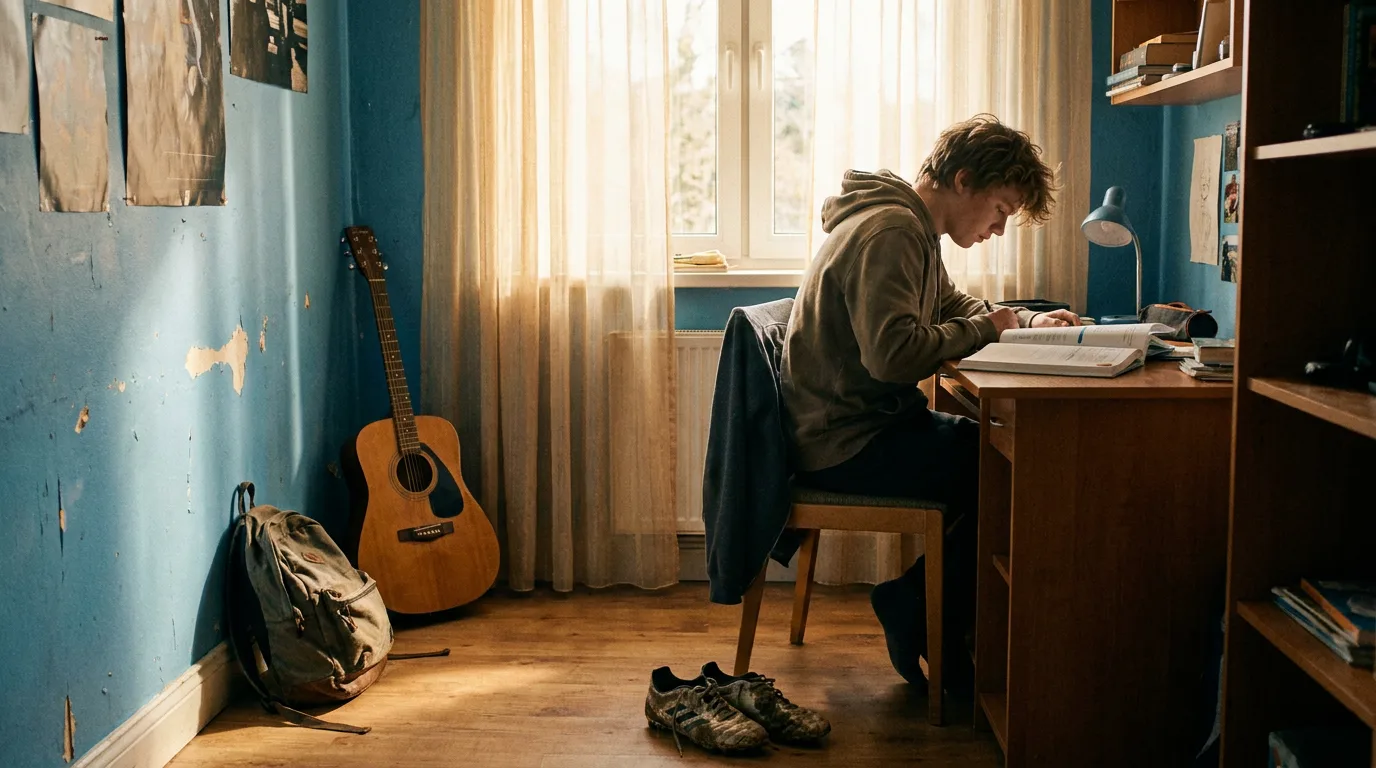
Your child has an exam tomorrow, but tonight is football training. Or perhaps there is a piano lesson, swimming practice, dance rehearsal or art class. The instinctive answer for many parents seems obvious: school comes first. And sometimes it should. But what if the same decision happens every week? What if music, sport or art is the part of life in which your child feels most confident, motivated or talented?
The question of whether parents should always prioritise academics over extracurricular activities is complicated. The real objective is to find a balance that protects a child's education without treating every other part of their child development support as secondary.
Academic Education Matters
There is good reason parents worry about school performance. Subjects like mathematics, science, and reading and writing provide foundations children will use throughout their lives. As children grow older, homework becomes more substantial and examinations matter more, potentially influencing access to further education.
Extracurricular activities should not routinely prevent children from completing schoolwork, sleeping properly or functioning well at school. However, acknowledging the importance of education does not require us to conclude that academic achievement is the only achievement that matters.
Children Learn Outside the Classroom
Education consists of more than what appears on a school timetable. During a football match, a child observes changing situations and makes rapid decisions. When taking instrument lessons, progress requires repetition, concentration, and patience. These experiences are different from classroom learning, but they are still essential forms of learning.
Managing Potential Conflicts
Parents need to distinguish between occasional pressure and a persistent problem. If a child is regularly completing homework late at night or arriving at school exhausted, something needs to change. The first solution does not necessarily have to be abandoning the activity; perhaps training can be reduced or homework time organised differently.
This is particularly vital for children who may not be naturally academic. A child may struggle with traditional subjects while showing exceptional creativity in an art workshop or leadership on the sports field. Constantly measuring a child's worth against the areas where they struggle can obscure the areas where they are unusually strong.
Don’t Sacrifice Confidence
Imagine a child struggling academically but thriving in swimming. This is where they experience progress and feel competent. Removing the activity as punishment for school results can be counterproductive, as you may be removing the very environment that builds their confidence. However, talent is not an excuse to ignore education; supporting a genuine talent and maintaining school standards should happen alongside each other.
Which Activities Actually Matter?
Sometimes the problem is not choosing between school and hobbies, but rather having too many activities. A schedule filled with swimming, coding, and english tutoring can leave a child with no space left. Families should occasionally ask which activities genuinely matter to the child. One or two meaningful pursuits are more valuable than five pursued without enthusiasm.
A Better Way to Decide
When school and an extracurricular activity genuinely conflict, consider these four questions:
How important is the academic commitment right now? (e.g. an exam vs ordinary homework)
How important is the extracurricular commitment? (e.g. a championship vs a regular session)
Is the conflict temporary or constant?
What matters to the child?
Ultimately, the goal is to help a young person develop academically, physically, socially and emotionally. School is an important part of a child's education, but it is not the whole of it.