
My Child Quits Every Activity: Should I Let Them Stop or Make Them Continue?
When your child wants to drop their hobbies, it can be hard to tell if they are avoiding a challenge or if the activity is genuinely a poor fit. Learn how to distinguish between healthy persistence and rational quitting.
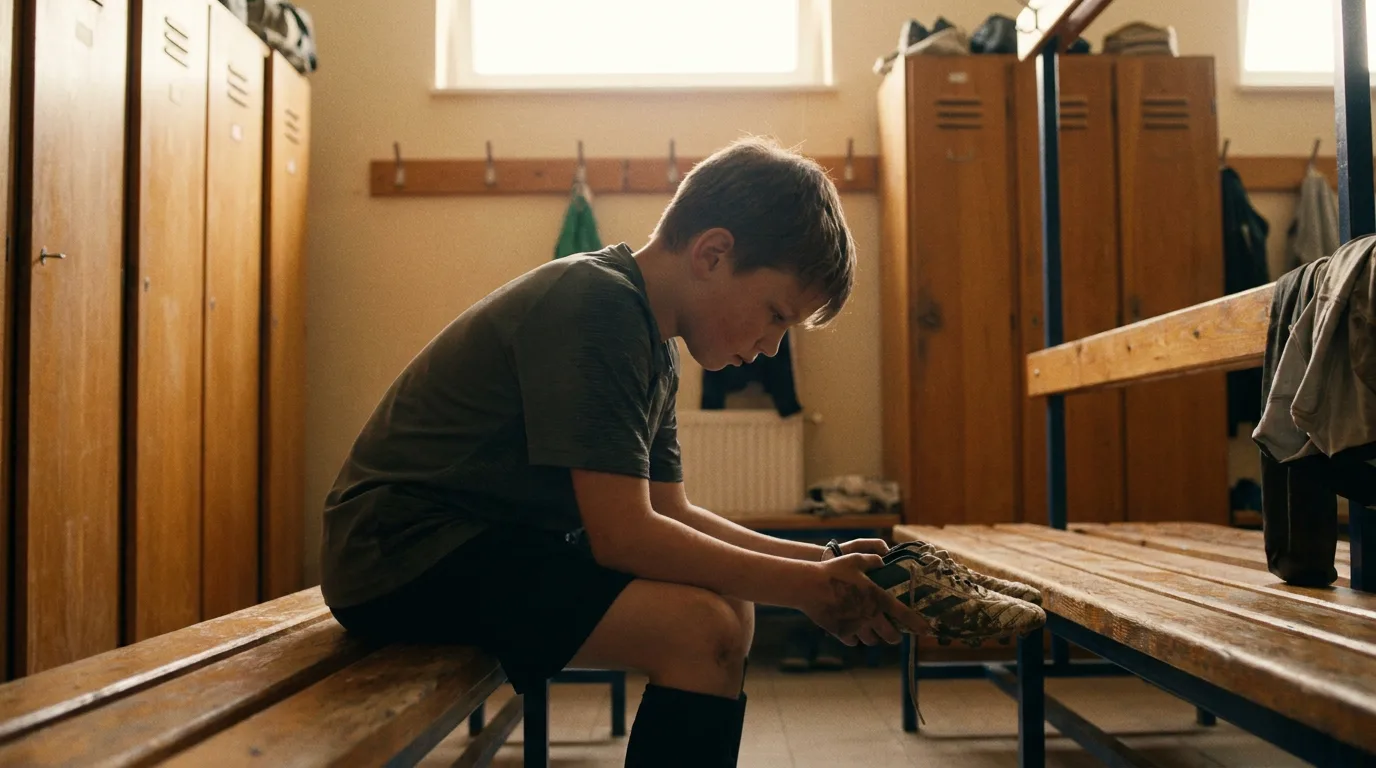
It is a familiar cycle for many parents. Your child begs for piano lessons, you find a teacher, buy the instrument, and rearrange the family schedule, only for them to announce they want to stop three months later. From football and swimming to tennis and art, the pattern repeats. This creates a difficult parenting dilemma: should you let your child quit, or will that prevent them from learning the value of persistence?
The challenge lies in distinguishing between an activity that is genuinely wrong for your child and a child who has simply reached the difficult 'beginner stage' of learning. Before making a decision, it is essential to identify the root cause of their resistance, as problems like a shouting teacher or a difficult schedule require very different solutions than a simple lack of interest.
Understanding the Frustration of the Beginner Stage
Almost every new skill has an unpleasant period where the learner is not yet competent. The first notes on an instrument sound poor, and the first lines of code often fail. Children often imagine the end result—scoring goals or painting masterpieces—without anticipating the repetition and correction required to get there. In these moments, they might benefit from confidence building to help them push through the discomfort.
If children always stop when effort is required, they miss the satisfaction of becoming able to do something that used to be difficult. However, persistence does not mean endless suffering. The real skill is not 'never quit', but rather learning when persistence is worthwhile and when a situation provides little value.
Evaluating the Environment and the Teacher
A child may dislike a class without disliking the activity itself. Teaching styles vary significantly; a child who finds a strict, technical teacher intimidating might thrive with one who is more playful and creative. Before abandoning instrument lessons, ask if the problem is the music or the specific environment.
Similarly, the level of challenge must be appropriate. Children become bored if a task is too easy and frustrated if it is far too difficult. If your child is struggling with coding or sports, it is worth asking the instructor if the group level matches your child's current ability.
The Impact of Scheduling and Social Factors
Sometimes the problem isn't the hobby, but the clock. An overscheduled child may resist an activity simply because they are exhausted. Children need unstructured play and time to do nothing. Furthermore, social issues like bullying, feeling excluded, or high-pressure competition can make a child miserable. These factors deserve serious investigation rather than a simple instruction to 'toughen up'.
Practical Strategies for Parents
To move away from impulsive decisions, families can implement a few practical rules:
Minimum Commitment Period: Agree to try an activity for a set term or number of lessons before reconsidering.
The 'Bad Day' Rule: Never make a final decision immediately after one difficult session or failure.
The Before-During-After Test: Observe if the child is only unhappy during the transition (before) or if they are genuinely miserable throughout the entire experience.
One Thing We Continue: A compromise where a child must have at least one long-term activity to experience the journey from beginner to competent.
When to Support a Change of Course
Quitting is often the right decision if the environment is unhealthy, the activity creates excessive stress, or the child has given it a fair trial and remains genuinely uninterested. For children who prefer different styles of movement, moving from team sports to martial arts or individual athletics might be the solution.
Stopping an activity is not a waste if the child learns something about their preferences. By using Kiddonido to explore different providers and formats, parents can help their children find activities that are truly worth their persistence. The goal is to raise a child who knows how to try seriously, fix what can be fixed, and move in a better direction when something is genuinely not the right fit.