
Too Much Exercise for Children: Is It Helpful or Harmful?
Physical activity is vital for a child's health, but excessive training without adequate recovery can lead to injury and burnout. Learn how to balance sport and growth.
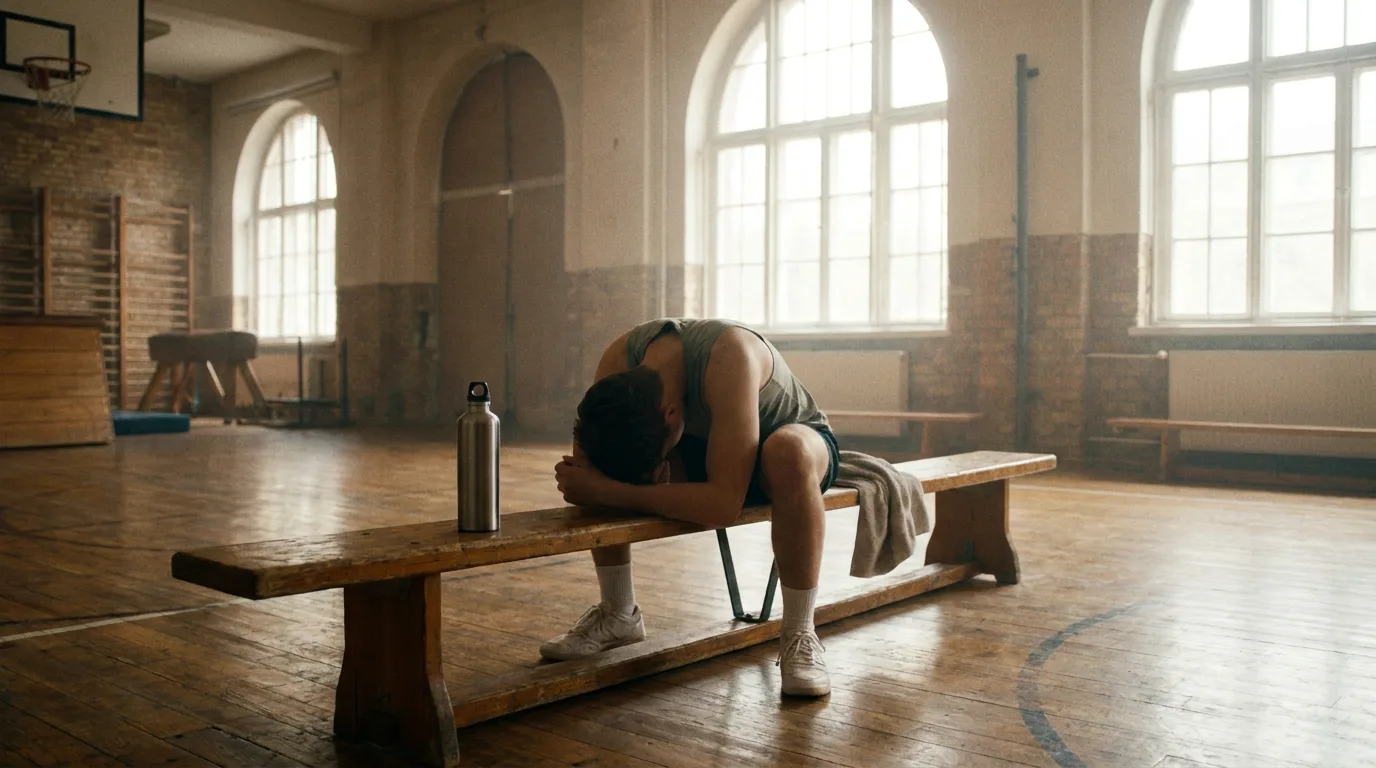
Many parents believe that regular exercise is one of the best things they can give their children, and they are right. Physical activity supports health, coordination, strength, confidence and social development. However, when children train several times a week, attend competitions at weekends, and continue practising at home, an important question arises: can too much exercise harm a child’s growth?
The answer is not a simple yes or no. Exercise is essential, but the amount, intensity, type, and quality of training all matter. The real goal is to help children become active and healthy without pushing their developing bodies and minds beyond what they can safely manage.
Growth Requires Energy and Recovery
Children’s bodies are constantly developing; bones are lengthening, muscles are adapting, and the nervous system is becoming more coordinated. All of this requires significant energy. Training also places demands on the body, meaning muscles need time to repair and the immune system needs adequate nutrition and rest.
If a child exercises intensely without enough recovery, the body may struggle to keep up. This does not necessarily stop growth completely, but it can interfere with healthy development by increasing fatigue, injury risk, and stress.
Can Exercise Stop a Child Growing?
In most cases, regular age-appropriate exercise does not stop children from growing. The greater concern is not ordinary exercise, but excessive training combined with insufficient food, poor sleep, repeated injuries, or intense psychological pressure. When a child’s body does not receive enough energy for both daily life and training, important functions may be affected, particularly during periods of rapid growth and puberty.
Overuse Injuries and Specialisation
Children’s bones and joints are still developing, and repeatedly performing the same movement can place stress on areas that have not fully matured. Some children focus on one sport throughout the year, but this early specialisation may increase the risk of overuse injuries. For many, participating in more than one activity can provide variety and reduce repetitive strain.
If a child repeatedly trains through pain, they may turn a minor problem into a long-term injury. In such cases, seeking physiotherapy or professional medical advice is essential to assess the training load.
Watch for Signs of Overtraining
Parents should pay attention to changes in both physical and emotional wellbeing. Possible warning signs include:
Persistent tiredness or declining performance
Repeated muscle or joint pain
Frequent illness and difficulty sleeping
Irritability or loss of enthusiasm for the sport
Falling school performance and avoiding friends
Rest and Sleep Are Part of Training
Rest days are not wasted time; they allow the body to repair and adapt. While a child does not need to train every day, they can still enjoy gentle weekend activity that does not feel like a demanding session. Furthermore, a training plan that damages sleep is not a healthy one, as sleep is vital for physical recovery, immune function, and emotional regulation.
A Healthier Approach to Training
Healthy training should make a child stronger, not constantly exhausted. It should involve confidence building rather than creating fear of failure. By ensuring a balance of variety, rest, and nutrition, parents can help children work hard in a way that their bodies and minds can sustain for the long term.