
University or Vocational Training: A Parent’s Guide for Teens in Spain
Is university the only path for your teenager? Explore the differences between degree study and Formación Profesional (FP) to find the right educational fit in Spain.
For many parents, the educational path after school seems obvious: finish secondary education, go to university, get a degree, and find a good job. However, for teenagers growing up in Spain today, this is not the only serious route. Spain also has a substantial vocational education system known as Formación Profesional, usually shortened to FP.
As technology and the labour market change, more families are asking whether university is truly the best option or if vocational training could be better. For international families, terms like ESO, Bachillerato, Grado Medio, and Grado Superior can be confusing. The most important principle is simple: university and vocational training are not higher and lower versions of the same education; they are different pathways designed for different objectives.
What is Formación Profesional?
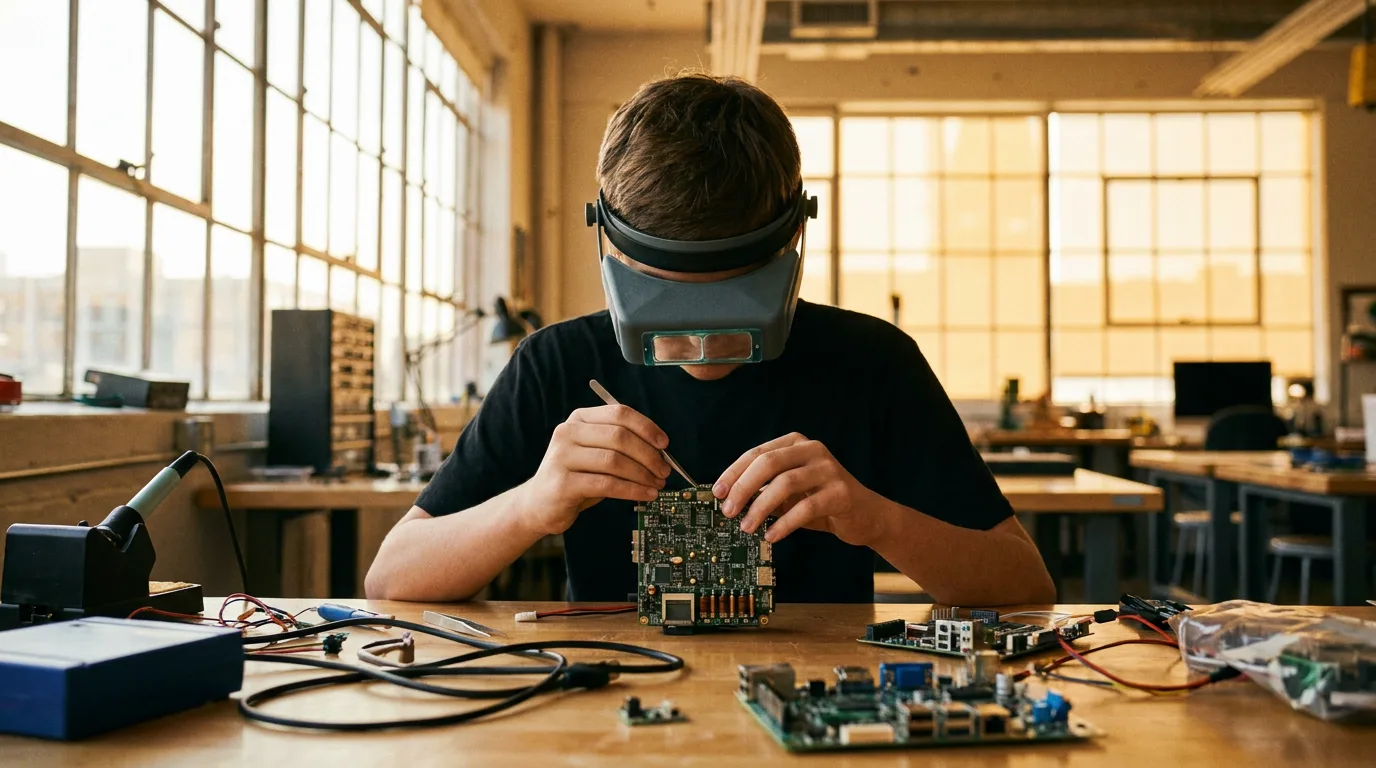
FP is Spain's vocational education and training system. Instead of concentrating primarily on academic theory, it has a stronger professional and practical orientation. Students can train in areas connected to sectors such as healthcare, administration, hospitality, automotive work, and sports-related fields. In the technical sector, students often focus on modern skills like robotics or electronics.
Choosing the Right Path for Your Teenager
A common misconception is that FP is only for students who cannot go to university. In reality, different forms of intelligence benefit from different environments. University is strong for those seeking deep theoretical knowledge or entry into regulated professions like medicine. Conversely, FP excels at providing applied learning and a direct connection with employers through workplace experience.
When deciding, consider how your teenager learns. Do they enjoy abstract research, or do they prefer building and experimenting? A student interested in the digital economy might find that coding or software application is more engaging when taught through a practical, project-based vocational lens rather than a theoretical degree.
The Impact of Artificial Intelligence
The rise of AI makes this comparison even more interesting. While many advanced scientific roles require strong theoretical foundations, the economy continues to need skilled people to operate and maintain physical systems. Regardless of the path chosen, developing artificial intelligence literacy is becoming essential for all future professionals.
Flexibility and the Hybrid Path
Parents often worry that choosing vocational education closes the university door. In Spain, the system allows progression between levels, and students can often access higher education later. The future may reward those who combine both, such as an engineering degree paired with practical experience in 3D design or other technical specialities.
Practical Steps for Parents
To help your teenager decide, you can use a simple decision test based on their interests, ability, and preferred learning style. For international families, it is vital to investigate the Spanish pathway itself rather than assuming the educational hierarchy of your home country applies here.
Extracurricular activities are an excellent way to explore these interests early. Before reaching the age of seventeen, let your child try different fields, such as Spanish language immersion, science workshops, or creative arts. These experiences provide the information needed to make an intelligent choice between university and vocational training when the time comes.
The best pathway is the one that helps your teenager become genuinely capable at something valuable—whether the sign above the door says University or Formación Profesional.