
When Should My Child Start Dance? A Guide to the Best Age for Kids
There is no single perfect age to start dance. Discover how to choose the right class based on your child's developmental stage, from creative movement for toddlers to teen beginner sessions.
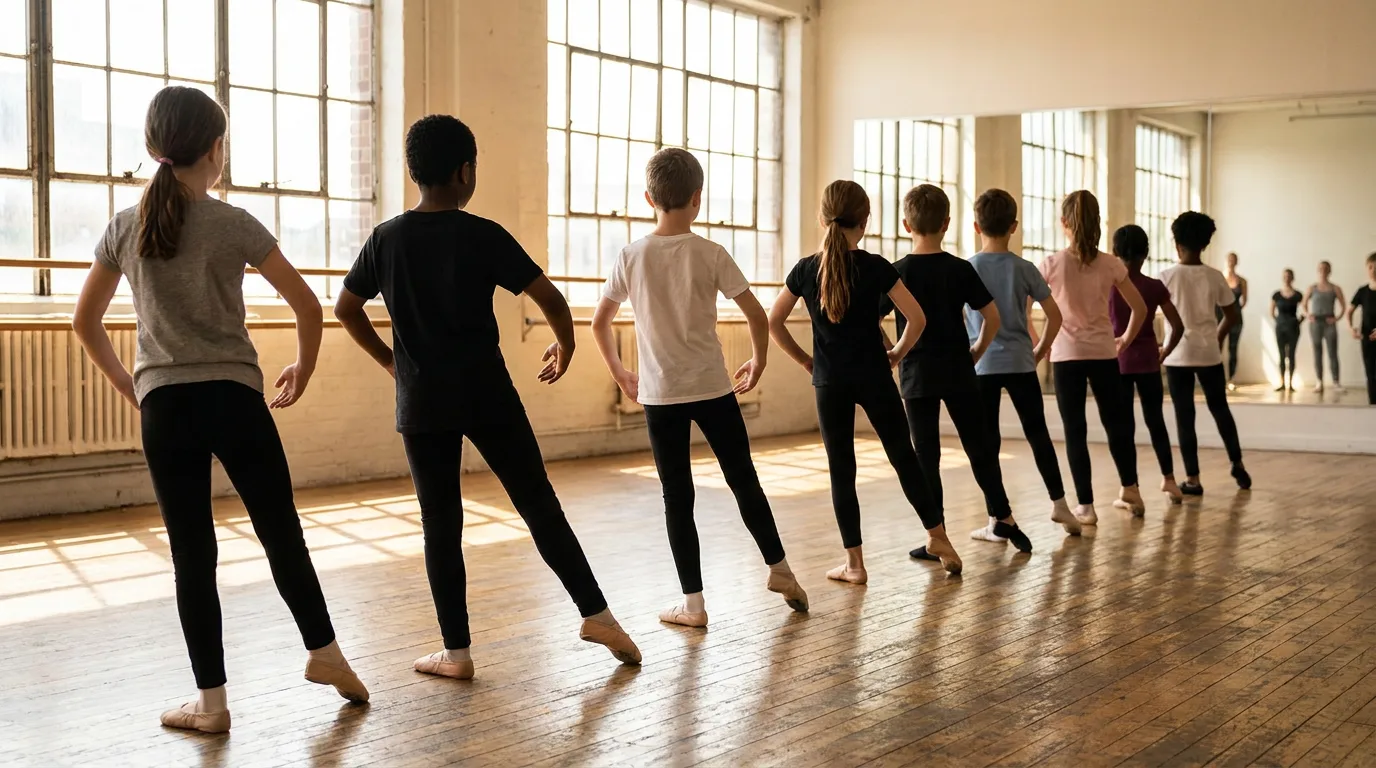
Parents often ask what the perfect age is to start dance. In reality, there isn't one. Some children are ready to join a dance class at three or four, while others become interested much later. Rather than looking for an ideal age, it is more helpful to choose a class that matches your child's stage of development, confidence and enthusiasm for movement. Dance should feel enjoyable from the beginning, and the right class often matters more than the age at which a child starts.
Starting at the Right Level Matters More Than Starting Early
One of the most common reasons children lose interest in dance is not starting too late—it's starting in a class that doesn't match their developmental stage. A class that is too advanced can become frustrating, while one that is too easy may quickly become boring.
Experienced dance teachers usually look beyond age. They observe how well a child follows instructions, joins group activities, maintains attention and responds to music before deciding which class is the best fit. This is why trial lessons are so valuable. They help both teachers and parents find an environment for confidence building where children are most likely to enjoy learning and continue progressing.
Age-Appropriate Milestones
Ages 3–5: Discovering Movement
At this age, dance should feel like exploration rather than formal training. Children develop rhythm, balance, coordination and body awareness through games, music and simple movement. Building confidence and enjoying movement are far more important than learning perfect technique. Early Years Music and creative movement classes are often an excellent first step before choosing a specific dance style.
Ages 6–8: Building Strong Foundations
Children usually become better at remembering movement sequences, following instructions and understanding basic technique. This is an ideal age to explore ballet, hip hop, jazz, contemporary dance or other styles without feeling pressure to specialise too early. Many children also enjoy their first informal performances during these years.
Ages 9–12: Exploring Different Styles
As children grow, their personalities become more visible in the way they dance. Some enjoy performing on stage, while others become interested in technique, creativity or learning several styles. This is often the best age to experiment before deciding whether dance will remain a recreational activity or become a more serious commitment.
Is It Too Late to Start as a Teenager?
Not at all. Teenagers often learn faster than younger children because they have better concentration, stronger body awareness and a clearer understanding of instruction. Starting later may change the learning pathway, but it does not prevent children from becoming skilled dancers or enjoying dance for many years.
Signs Your Child Is Ready
They enjoy moving to music.
They can follow simple instructions.
They are comfortable participating in a group.
They stay engaged for most of the lesson.
They leave a trial class wanting to come back.
Opportunities for Dance in Spain
One advantage of living in Spain, particularly in Andalusia and along the Costa del Sol, is the wide range of dance programmes available for different age groups. Families can find child development support through creative movement for preschool children, recreational programmes for beginners, specialised ballet schools, modern dance academies and classes designed specifically for teenagers.
The Kiddonido Age Guide
Ages 3–5: Creative movement, rhythm and confidence
Ages 6–8: Basic technique and exploring different styles
Ages 9–12: Skill development and style exploration
Ages 13+: Technical improvement, performance or recreational dance
How Many Classes Per Week?
For most beginners, one lesson each week is enough. As children gain confidence and enthusiasm, many naturally choose to attend more often. A schedule that fits comfortably around school, family life and other activities is usually easier to maintain over the long term than an intensive programme that quickly becomes exhausting.
Final Thoughts
There is no perfect age to start dance. The best time is when your child is ready to enjoy learning, build confidence and develop at their own pace. If you are looking for children's dance classes across Spain, Kiddonido helps families compare programmes by age group, dance style, teaching approach and location, making it easier to find the right class for every stage of childhood.