
Does Exercise Help Children Sleep Better?
Regular physical activity is generally associated with healthier sleep for children and teenagers, but timing and intensity play a crucial role in post-training recovery.
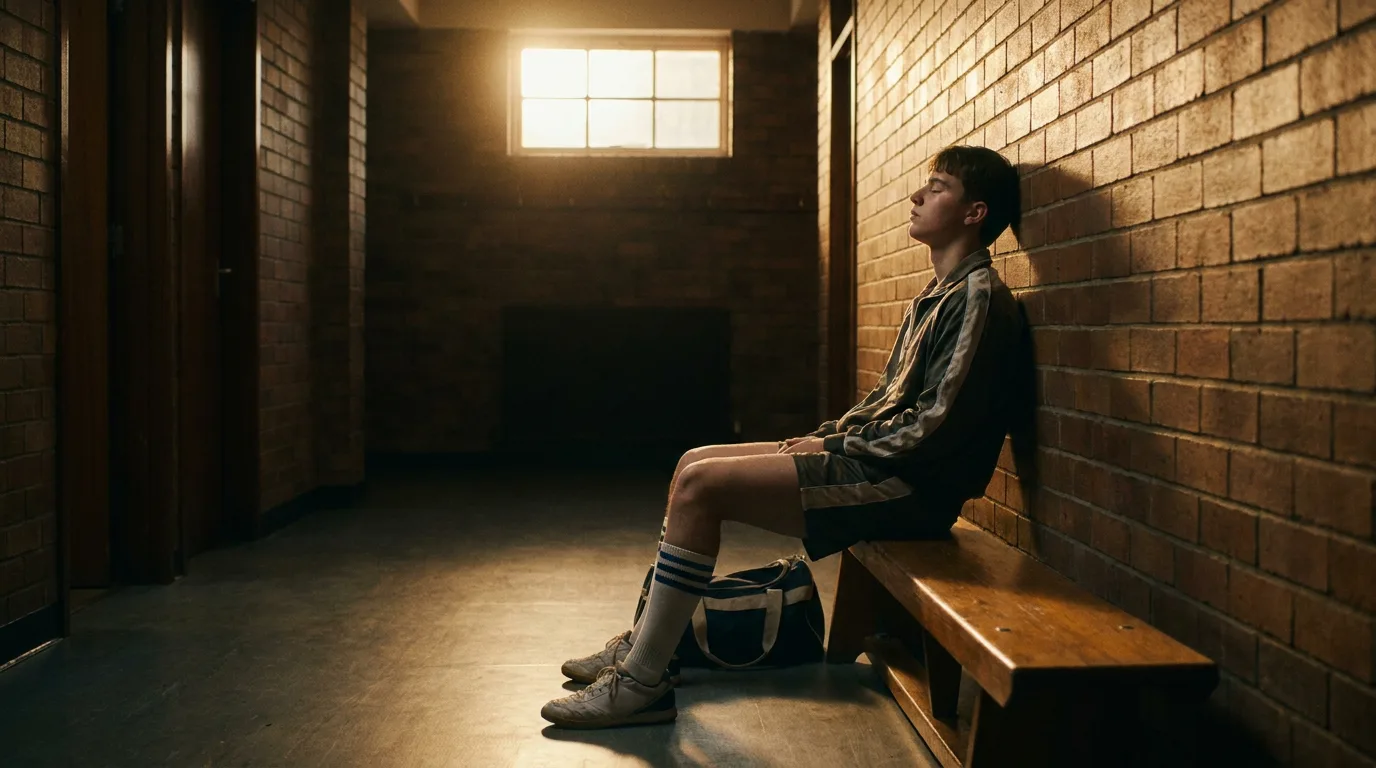
Your child finishes football training exhausted. Surely they will sleep well tonight. But another evening, after an intense tennis session, they come home excited, eat late and somehow remain awake long after bedtime.
This creates an interesting question for parents: Does exercise actually help children sleep better? In general, regular physical activity and healthy sleep tend to go together. Active children and teenagers may fall asleep more easily, experience better-quality sleep and benefit from the physical and psychological effects of movement. But the relationship is not as simple as more exercise equals more sleep.
Why Is Sleep So Important for Children?
Sleep is not simply a period when children stop being active. During sleep, the body and brain perform essential processes connected with development, learning, memory, emotional wellbeing and physical recovery. This becomes particularly important for children who are active. Training creates physical demands; muscles recover and the nervous system adapts.
Can Physical Activity Improve Sleep?
Regular physical activity is generally associated with healthier sleep. Exercise increases energy expenditure and can help regulate the body's daily rhythms. It can also reduce stress and provide an outlet for physical restlessness. Physical activity also reduces the amount of sedentary time that can otherwise be spent on screens — particularly during the evening.
Sport Can Help the Brain as Well as the Body
Exercise influences mood, stress and arousal. A child carrying tension from school may feel psychologically different after swimming, running or playing football. Teenagers may find sport provides a temporary break from academic and social pressures. This matters because stress and worry can interfere with sleep.
Can Exercise Ever Make It Harder to Sleep?
Yes, particularly depending on timing and intensity. Imagine a teenager finishing an intense football match at 10:00 p.m. Their heart rate has been elevated and they are emotionally stimulated. They still need to travel home, shower, eat and mentally unwind. Exercise can create fatigue while simultaneously producing temporary physiological and psychological arousal.
Evening Training Is Not Automatically Bad
Moderate evening activity does not automatically damage sleep. For many families, evening is the only practical time for organised sport. The more useful questions are how intense the activity is, how close it finishes to bedtime, and how the particular child responds afterward. Observe the child rather than following one universal rule.
Don't Sacrifice Sleep for Another Training Session
Parents sometimes face a difficult choice when a coach recommends an extra session. Too often, the extra time comes from sleep. That can be a poor trade. Training while chronically sleep-deprived may affect concentration, reaction time, mood and physical recovery. Sleep is part of athletic development, not time taken away from it.
Sports Can Also Create Better Routines
A consistent sports schedule can sometimes improve the structure of a child's day. Training happens at a predictable time, followed by dinner, a shower and bedtime. This structure can support the development of better social skills and discipline. A young athlete who notices that poor sleep affects performance may become more motivated to protect their bedtime.
What About Children Who Don't Like Competitive Sport?
Physical activity does not have to mean competitive training. Walking, cycling, dancing, climbing or even a simple weekend activity like playing outside all contribute movement. The objective is regular movement appropriate to the child's age and interests.
The Role of Food and Hydration
Evening athletes often return home hungry. While going to bed extremely hungry is not ideal, neither is eating an enormous heavy meal immediately before sleep. Families may need to plan meals around training rather than improvising. Hydration matters too; children should replace fluids lost during exercise while avoiding the need to drink very large amounts immediately before bed.
How Can Parents Tell Whether Sport Is Helping Sleep?
Look for patterns over several weeks. Ask the following questions:
Does my child usually fall asleep reasonably easily?
Do they wake repeatedly?
Are they getting enough total sleep?
Can they wake for school without extreme difficulty?
Are they alert during the day?
Does sleep become noticeably worse on training nights?
If sport nights consistently produce significantly poorer sleep, the schedule may need adjustment. For growing children, sleep is not what happens after development; sleep is a fundamental part of child development support and overall health.