
What Is the Best Age to Start Tennis, Dance or Music? A Parent’s Guide
Choosing the right time to start a new activity depends on developmental readiness rather than just age. Discover the best starting windows for sports, music, and dance.
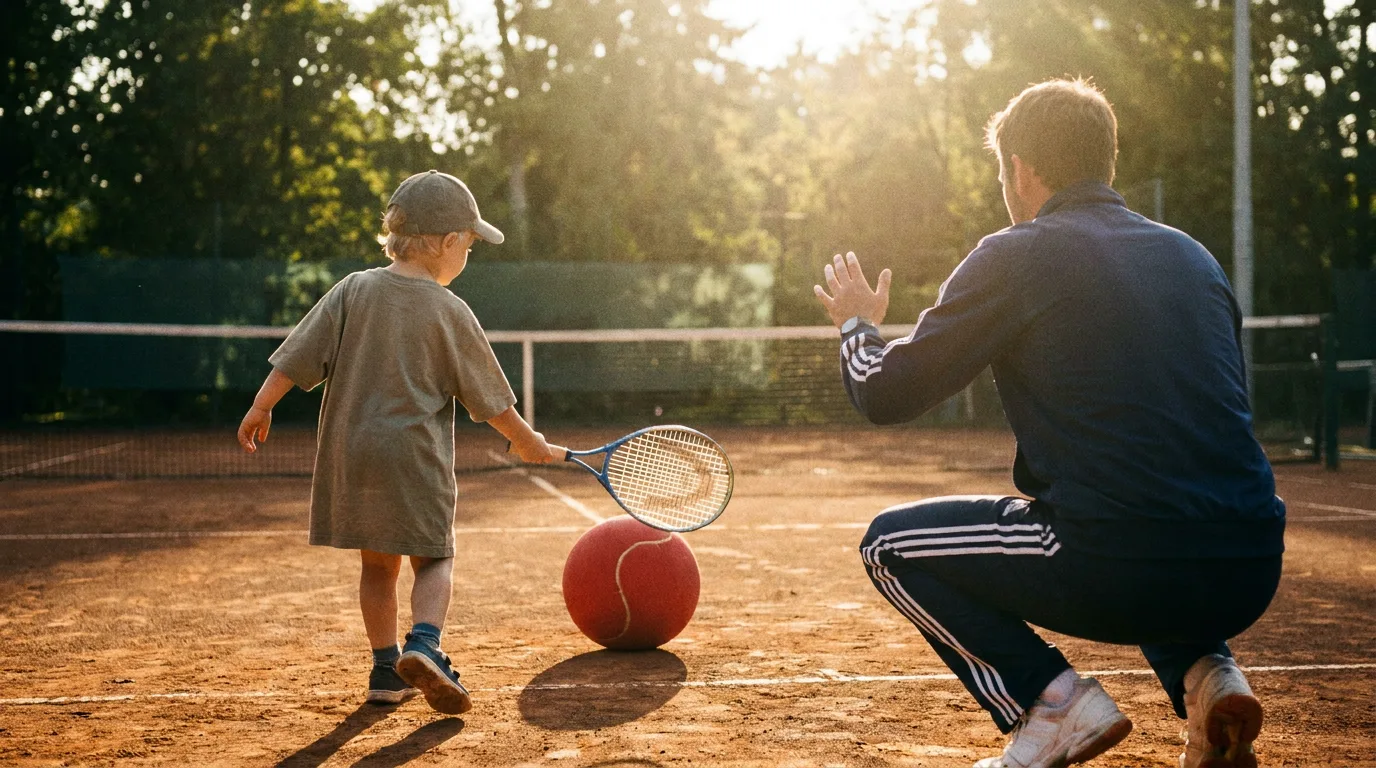
Parents often ask a question that sounds simple but is surprisingly difficult to answer: What is the right age for my child to start an activity? Should tennis begin at four if a child might one day want to compete professionally? Is six too late for ballet? When can a child start piano, guitar or violin? And does starting earlier always produce better results?
The short answer is no: there is no single perfect starting age for every child or every goal. The best age depends on the activity, the child’s development, the teaching method and what 'starting' actually means. A three-year-old can enjoy hitting a soft tennis ball, moving to music or exploring the keys of a piano. That is very different from attending structured lessons, practising several times a week or following a competitive pathway.
First, Decide What 'Start' Means
It is useful to think in three distinct stages: exploration and play, structured learning, and specialised training. In the early years, the purpose is enjoyment and movement. A child might roll balls, dance freely, or try early years music through clapping and singing.
Structured learning becomes suitable when a child can separate from a parent, listen to instructions, and cope with small mistakes. However, early intensive specialisation in sport deserves caution. The American Academy of Pediatrics recommends variety at least until puberty, as year-round single-sport training can increase the risk of injury and burnout.
Recommended Starting Ages
The ages below are practical ranges, not deadlines. A well-designed beginner programme should always adapt the equipment and expectations to the child.
Tennis: Playful introduction at 3–5; structured lessons at 5–7.
Football: Introduction at 3–5; structured training at 5–7.
Ballet: Pre-ballet at 4–6; foundational ballet at 6–8.
Martial Arts: Movement games at 4–5; technical instruction at 6–7.
Piano: Exploration at 3–5; structured lessons at 5–7.
Violin: Adapted methods from 4–6.
Sports and Physical Activity
For tennis, many children are ready to learn basic strokes and rallies between five and seven. In Spain, the Consejo Superior de Deportes describes red courts and balls for beginners to help children learn technique without struggling with adult equipment. Families can use Kiddonido to compare tennis classes for children in Spain and look for coaches using the Tennis10s approach.
Similarly, martial arts schools often offer classes from age four, focusing on listening and balance before moving to technical instruction around six. For water familiarisation, physiotherapy and safe exploration can begin in infancy, but most children develop independent swimming skills between four and six.
Dance and Performing Arts
Dance includes many styles, from creative movement for toddlers to technical training in older years. Many children begin ballet or hip hop foundations around age five to seven. It is important to note that pointe work in ballet should never begin simply based on a birthday; it requires physical maturity and an individual assessment, usually not before age eleven.
Music and Instruments
A common and effective starting range for instrument lessons is between six and eight. By this time, children often have better fine-motor control and can take greater responsibility for short practice sessions. While some children start singing and vocal training or piano earlier, starting at seven is not 'late' and often results in more productive sessions with less conflict.
Signs of Readiness
Before enrolling, consider if the child shows genuine curiosity and if the programme is adapted for their age group. A good activity should add to childhood, not consume it. If a child shows persistent tiredness, irritability, or falling school engagement, they may be facing an overload.
Ultimately, the best age to start an activity is when the child is interested, the teacher uses age-appropriate methods, and there is still plenty of room for rest and free play.