
What Is the Best Age to Start Gymnastics? A Complete Guide for Parents
Discover the ideal age for children to begin gymnastics, from preschool movement to competitive pathways, and learn how to choose a safe club in Spain.
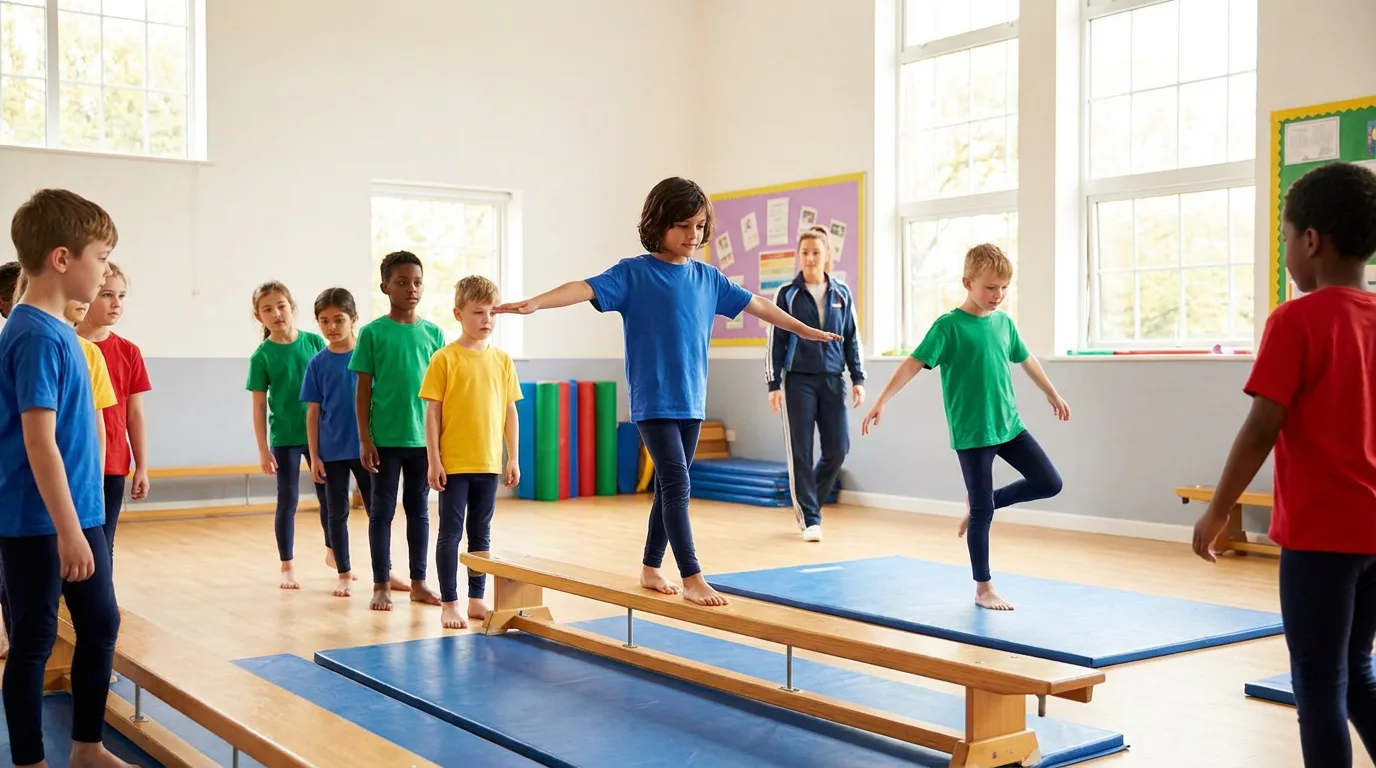
Gymnastics can help children develop strength, coordination, balance, flexibility and body awareness. It also provides physical foundations that support many other sports. However, parents often hear that gymnasts must start extremely young, especially if they might want to compete, which raises questions about the appropriate time to begin.
Children can begin playful gymnastics and movement classes at approximately three to five, while more structured foundational training often becomes appropriate between five and seven. The best age depends on the discipline, the child’s development, their goals and the quality of the coaching.
Best Age to Start Gymnastics: A Quick Guide
While every child is different, the following age ranges serve as a general guide for gymnastics participation:
1–3 years: Parent-and-child movement classes focused on exploration and balance.
3–5 years: Preschool recreational gymnastics for coordination and fundamental movement.
5–7 years: Structured beginner gymnastics focusing on safe technique.
7–9 years: Recreational progression or early competition for strength and flexibility.
9–12 years: Advanced training and technical development.
12+ years: Specialist pathways according to ability and personal goals.
Toddler and Preschool Gymnastics
Parent-and-child movement classes may accept children from approximately one or two years old. At this age, the activity is not formal gymnastics but a safe space to explore walking, crawling, rolling and jumping. Three is often considered an excellent age to begin a preschool programme, where children learn confidence building through simple circuits and movement games.
Structured Lessons and Discipline Types
For many, ages five to seven are the best time for structured gymnastics lessons. In this range, children are better able to follow multi-step instructions and maintain body positions. The type of gymnastics chosen also influences the starting experience:
Artistic Gymnastics: Involves vault, bars, beam and floor. Foundational training typically begins between five and seven.
Rhythmic Gymnastics: Combines dance and apparatus like hoops and ribbons. Introductory classes often start between four and six.
Trampoline Gymnastics: Focuses on aerial skills. Professional coaching is essential, usually starting around age five or six.
Acrobatic Gymnastics: Involves partners performing balances and throws, requiring strong communication skills and trust.
Training Hours and Physical Health
Training frequency should increase gradually. While toddlers and preschoolers might attend one short session per week, older recreational gymnasts may attend up to three. It is vital that training volume does not overwhelm the child. High-intensity training without adequate nutrition or rest can lead to health problems or overuse injuries.
Young gymnasts should be monitored for persistent pain, particularly in the wrists, ankles and back. Parents should seek professional psychology support or medical advice if a child feels excessive pressure regarding their weight or body image, as a healthy programme should always prioritises long-term wellbeing over medals.
Gymnastics in Spain
Families in Spain have access to municipal schools, private clubs and holiday camps. Prices generally range from €20 to €45 per month for municipal programmes, while specialist private clubs may charge €75 to €150 or more. When choosing a club, ensure the coaches are qualified and that the facility follows the regulations set by the Real Federación Española de Gimnasia.
Whether your child is interested in high-level competition or simply wants to improve their social skills and fitness, the best age to start is when they are ready to enjoy the sport safely and without unnecessary pressure.