
What Is the Best Age to Start Football? A Complete Guide for Parents
Discover the ideal age for children to begin football, from play-based toddler sessions to structured academy training and competitive pathways in Spain.
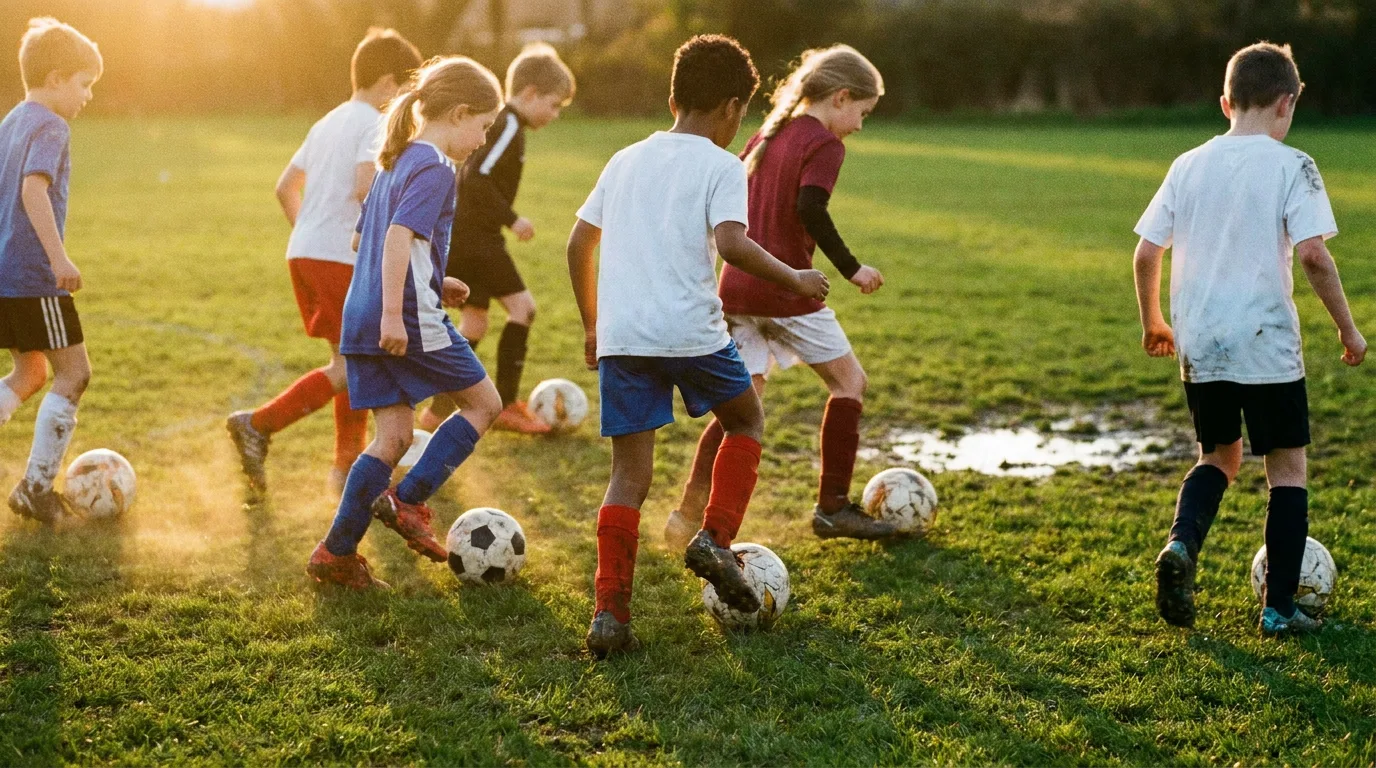
Football is often one of the first sports children discover. A toddler may begin kicking a ball almost as soon as they can walk, but that does not necessarily mean they are ready for structured football training.
Children can be introduced to the sport through play from around three or four, while structured beginner training often becomes more effective between five and seven. However, starting early does not mean specialising early. Young children need age-appropriate games, smaller teams, and plenty of opportunities to touch the ball. The right environment and coach usually matter more than beginning one year earlier.
Can a Three-Year-Old Start Football?
A three-year-old can enjoy football-inspired activities, but the experience should look like play rather than formal team training. At this age, children are still developing balance, coordination, and the ability to follow instructions. An appropriate class for language through play or movement might include imaginative games and simple obstacle courses.
Children should not spend long periods waiting in lines or listening to tactical explanations. The main objective is to help them enjoy movement and become comfortable with the ball.
Structured Training and Skill Development
For many children, ages five to seven are an excellent time to begin structured lessons. At this stage, they become more capable of following short instructions, sharing space, and understanding basic boundaries. FIFA’s Football for Schools programme emphasises that children learn by playing, not by standing still.
Developmental Milestones
Ages 3–5: Focus on balance, kicking, and general coordination.
Ages 5–7: Introduction to dribbling, passing, and awareness of teammates.
Ages 7–9: Developing technique, accuracy, and simple attacking concepts.
Ages 9–12: Focus on first-touch quality, speed of decision-making, and tactical principles.
Ages 12–15: Position-specific development and fitness appropriate to biological maturity.
Football Categories in Spain
In Spain, youth football is organised into age-based categories by the Real Federación Española de Fútbol. Younger categories often play small-sided formats such as football 5, 7, or 8 to ensure children touch the ball more frequently and participate actively in the game.
Common categories include Debutante (ages 5–6), Prebenjamín (7–8), Benjamín (9–10), and Alevín (11–12). These groupings help ensure that competition remains a developmental tool rather than a high-pressure examination.
Health, Wellbeing and Specialisation
While football is excellent for fitness, the American Academy of Pediatrics warns against early single-sport specialisation. Playing other sports can improve agility and prevent overuse injuries. Parents should watch for signs of overtraining, such as persistent heel or knee pain, which may require physiotherapy or rest.
Safety is paramount, particularly regarding heading the ball. Many organisations recommend delaying heading training until ages ten to twelve, once children have developed sufficient neck and core strength. If a child experiences symptoms after a collision, they should be assessed according to professional child development support guidelines.
Choosing the Right Academy
A famous name does not guarantee the best experience. A good academy should prioritise development over results, employ qualified coaches, and provide a respectful environment. For international families, it is also helpful to consider whether sessions are delivered in English or Spanish to ensure the child can follow instructions clearly.
Before joining, ask about the coach-to-child ratio, playing time policies, and how the club manages injuries. A trial session is often the best way to see if the environment supports your child's confidence building and love for the game.
Children learn football by playing football—not by spending most of the session standing still.
Whether your child starts at four or ten, the goal remains the same: fostering a lifelong love for physical activity. You can explore various football schools, local clubs, and holiday camps across Spain to find the perfect fit for your child's age and level.