
What Is the Best Age to Start Dance or Ballet? A Complete Guide for Parents
Discover the ideal age for children to begin ballet, flamenco, or hip-hop. Learn about developmental milestones, the right time for pointe work, and how to choose a safe dance school in Spain.
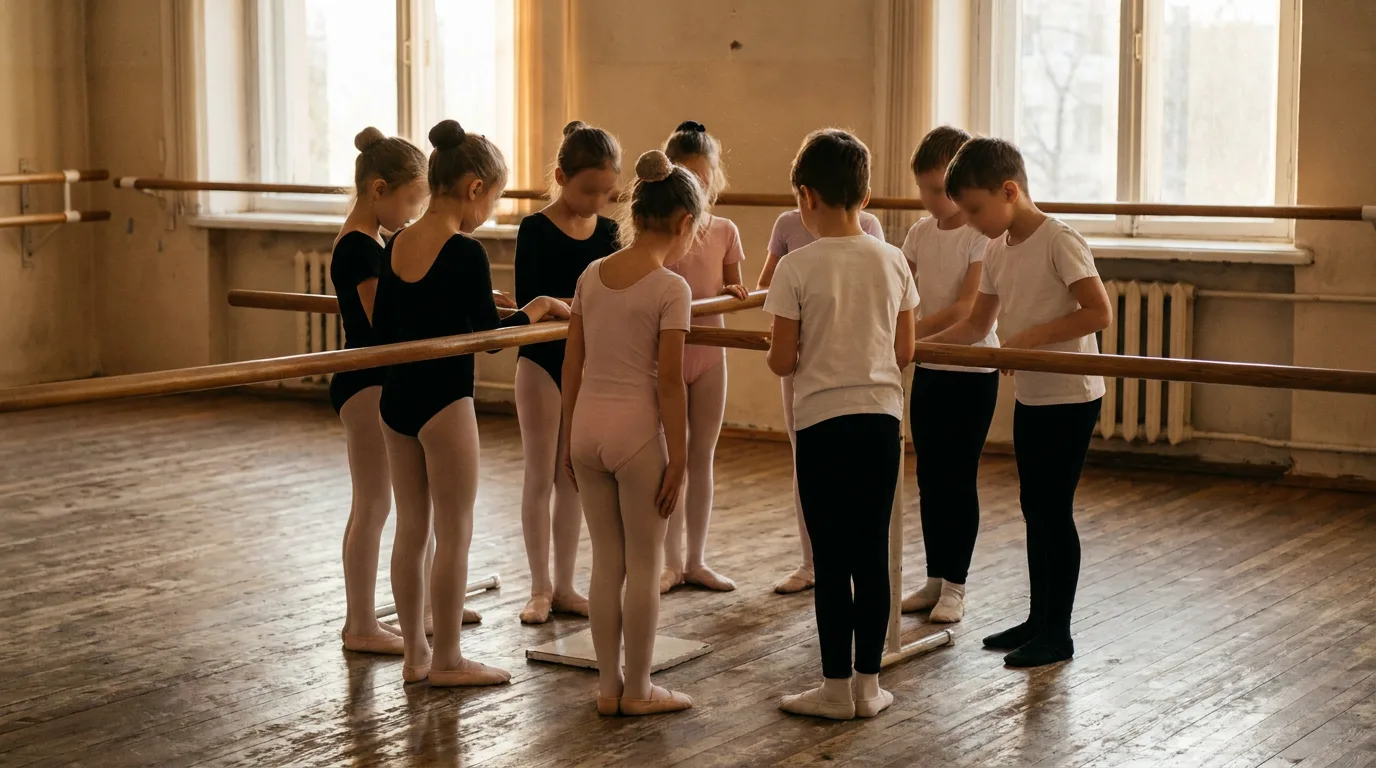
Dance classes can help children develop coordination, musicality, confidence, creativity and body awareness. However, many parents are uncertain about the right time to begin. Whether you are considering ballet, flamenco, or hip-hop, the timing depends on your child's physical development and personal goals.
Children can usually begin creative movement or pre-dance classes between three and four, while more structured dance training often becomes appropriate between five and seven. For classical ballet, children interested in a more serious pathway may begin building stronger technical foundations between six and eight. However, starting early does not mean beginning advanced technique prematurely.
Best Age to Start Dance: A Quick Guide
These ages are guidelines intended to match a child's developmental stage with the appropriate level of physical demand:
2–3 years: Parent-and-child movement and music focusing on rhythm and enjoyment.
3–5 years: Pre-dance or creative movement focusing on imagination and coordination.
5–7 years: Structured beginner classes focusing on basic technique and classroom skills.
7–9 years: Graded training focusing on posture, strength, and vocabulary.
9–12 years: Broader technical development and possible pre-vocational preparation.
12+ years: Recreational or vocational pathways based on ability and goals.
Can a Two- or Three-Year-Old Start Dance?
Yes, but dance for toddlers should be based on movement and play rather than formal technique. A suitable class for this age may include walking, jumping, turning, and moving to a rhythm. At this stage, child development support focuses on building a positive relationship with movement rather than determining professional potential.
Starting Ballet and Specific Styles
Formal foundational ballet training commonly starts between six and eight. While younger children can enjoy early years music and basic coordination, they should not be forced into extreme turnout or rigid posture while their bones and muscles are still developing.
When to Start Pointe Work
Pointe work should never begin based on age alone. Many responsible schools do not introduce it before approximately eleven or twelve. Dancers require several years of consistent training, adequate ankle strength, and individual approval from a qualified teacher. Beginning too early increases the risk of stress injuries and growth-plate damage.
Flamenco, Hip-Hop, and Contemporary
In Spain, children may encounter flamenco through private schools or cultural centres. While basic rhythm can be introduced at age three, structured technique usually starts around five to seven. Similarly, hip-hop can begin with energetic movement classes at age four, with structured choreography becoming easier by age six. Contemporary dance often becomes suitable from six to eight, encouraging floor work and choreographic exploration.
Choosing the Right School
A good teacher is essential for a child's safety and progress. Look for instructors who use age-appropriate methods and do not force flexibility. Parents should be cautious of schools that prioritise performances over safety or use adult themes for young children. If a child experiences persistent pain, they should be assessed by a professional specialising in physiotherapy for young athletes.
The goal is to find a programme that helps the child develop safely while fostering a lifelong love of movement. Whether looking for a fun weekly activity or a formal conservatory route, the best age to start is when the child can participate safely and enjoy the experience.