
What Is the Best Age to Start Martial Arts: A Guide for Parents
Discover the ideal age for children to begin karate, judo, taekwondo, and BJJ, including safety guidelines, competition readiness, and how to choose the right school in Spain.
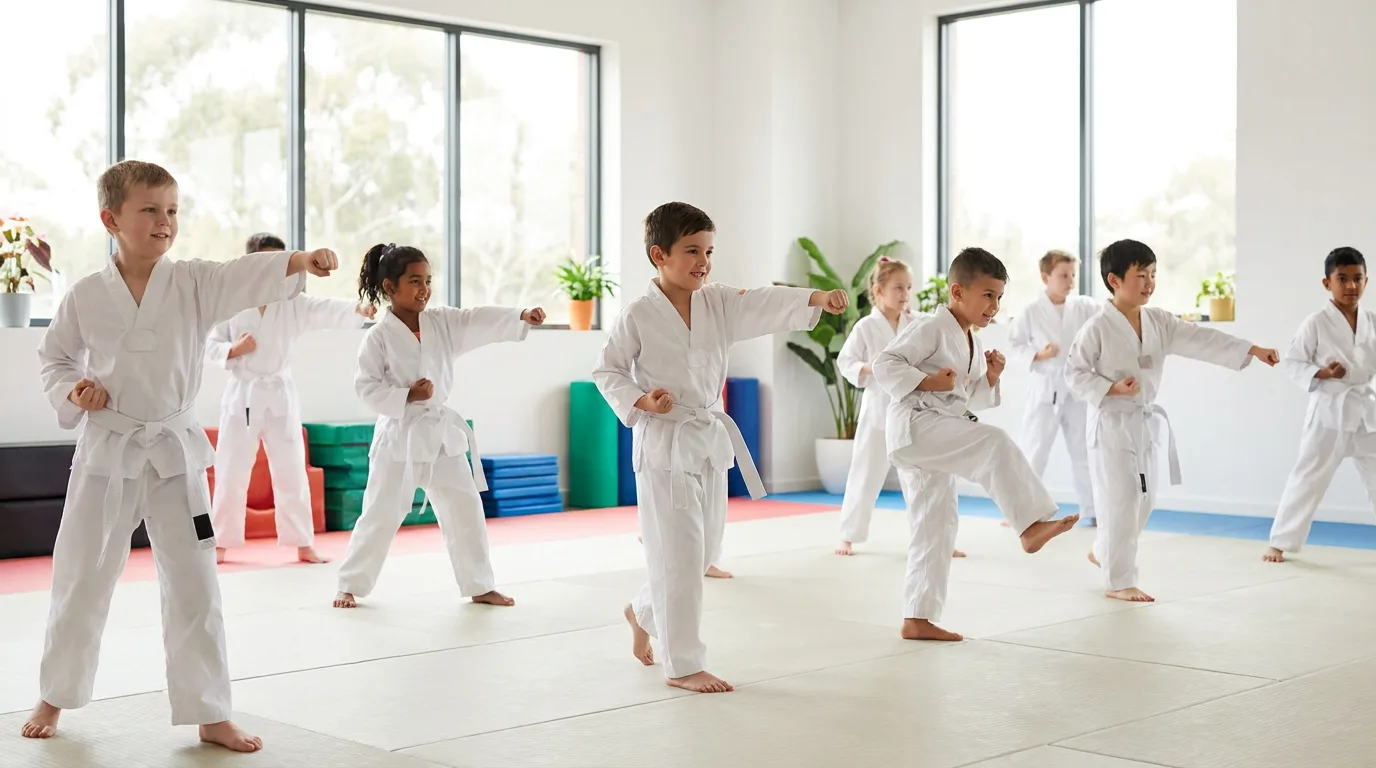
Martial arts are a popular choice for families wishing to help their children become more active, improve coordination, and develop qualities such as patience, respect, and self-control. However, choosing the right age and discipline can often feel confusing for parents.
Generally, children can begin playful, non-contact martial arts classes at around four or five years old. More structured technical training commonly becomes appropriate between six and eight. It is important to note that contact should only be introduced after a child has developed the necessary technique, physical control, and emotional maturity to follow safety instructions.
Developmental Stages and Martial Arts
While three is usually too young for conventional training, some schools offer movement-based sessions for preschoolers. These focus on balance, listening, and basic motor skills rather than technical fighting. For most children, aged six to eight is an excellent time to begin structured instruction, as they can better follow multi-step instructions and understand personal space.
If you are looking to support your child's physical or social growth, exploring a child development support framework can be a helpful way to gauge their readiness for organised sports.
Choosing the Right Discipline
There is no single "best" style; the right choice depends on the child's personality and comfort with physical contact. High-quality instruction is often more important than the specific name of the martial art.
Karate
Children often start age-adapted karate between the ages of four and six. Early training focuses on stances, blocks, and technical forms known as kata. In Spain, national competition structures allow non-contact kata for children as young as seven, while contact sparring typically begins later.
Judo
Introductory judo is common for those aged four to six. The primary focus for beginners is learning ukemi, or how to fall safely. Because it involves close grappling, coaches must carefully match children by size and experience.
Taekwondo
The dynamic kicking of taekwondo is often accessible to kids aged four and up. Parents should ensure that flexibility training is gradual and that children are not pressured into extreme stretches beyond their natural range.
Brazilian Jiu-Jitsu (BJJ)
Many brazilian jiu-jitsu programmes accept students from age four. The focus for young learners is on position control and problem-solving. Strict rules must be in place regarding the "tap out" system to ensure a safe environment.
Safety and Competition
The American Academy of Pediatrics recommends delaying contact competition until a child demonstrates physical control and the ability to stop immediately on command. Protective equipment such as mouthguards and headgear may reduce surface injuries, but they do not eliminate all risks, including concussion.
A well-run programme should focus on communication skills and respect, teaching children that techniques are only for supervised training or genuine self-defence situations. Martial arts should never be used to promote aggression or intimidation.
Martial Arts in Spain
Families in Spain have access to a wide variety of martial arts through private dojos, municipal sports centres, and schools. Costs generally range from €20 to €60 per month, plus additional fees for federation licences, uniforms, and belt examinations.
When choosing a school, observe a trial class. Look for qualified instructors, clean facilities, and an atmosphere where discipline is maintained through clear standards rather than fear or humiliation. If your child is learning in a second language, ensure they can understand safety commands immediately to prevent injury.
Whether your child is five or twelve, it is rarely too late to start. Older beginners often progress faster due to better body awareness and emotional control. The ultimate goal is to find an environment where they feel safe, motivated, and engaged.